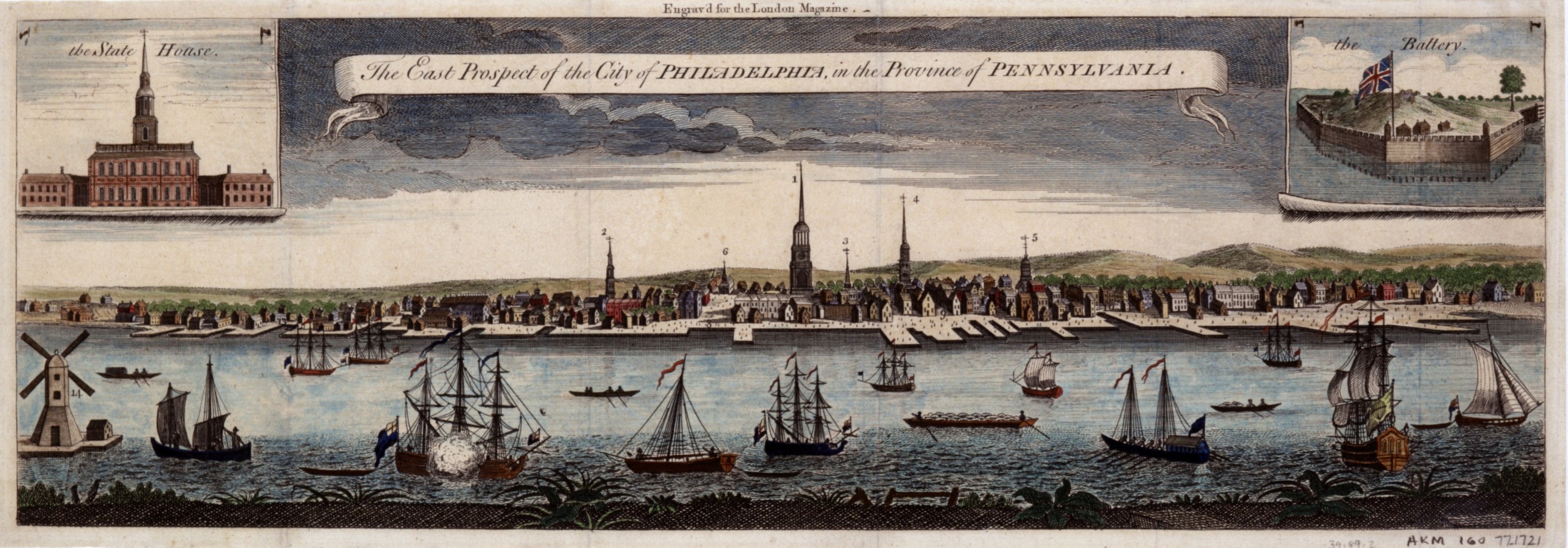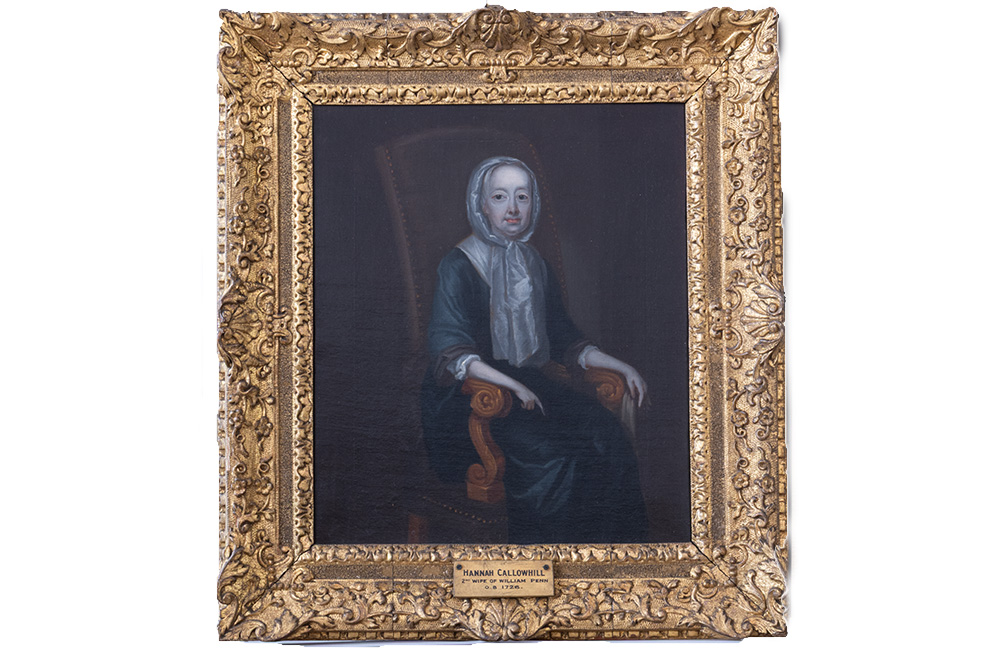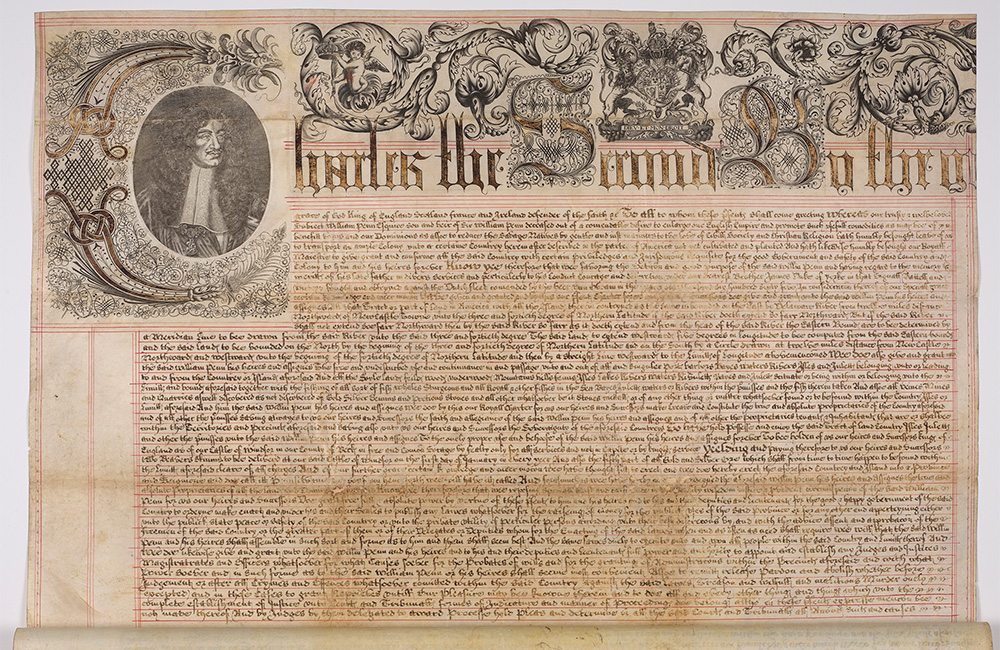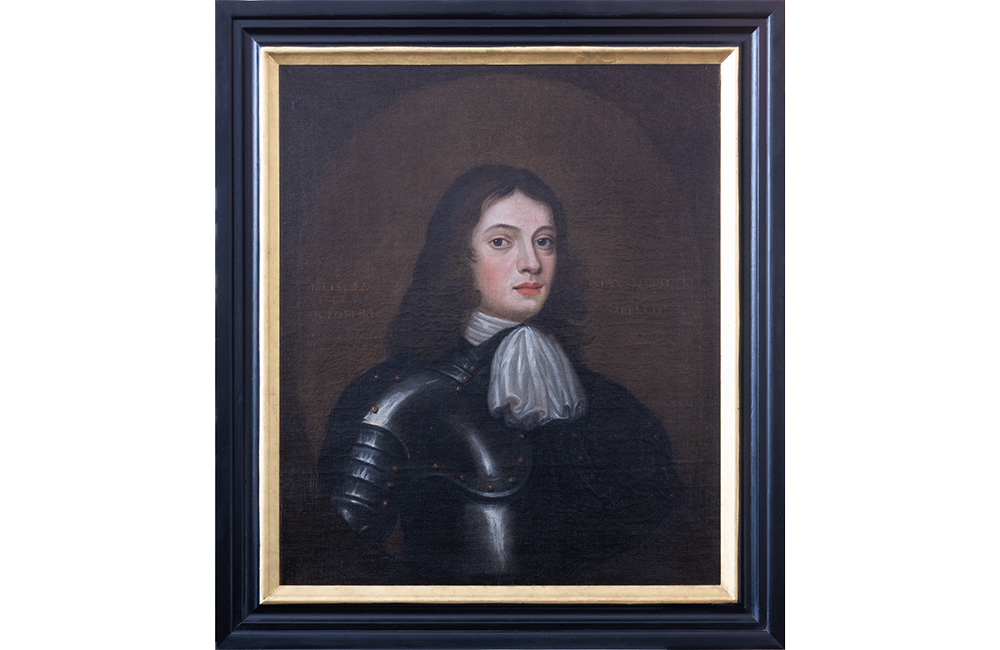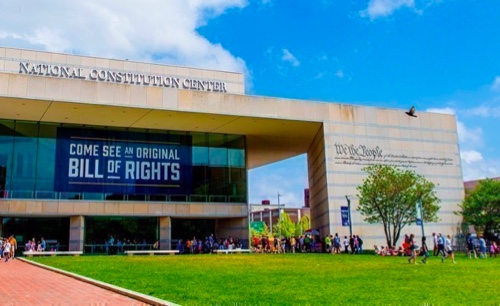


As the United States marks its 250th anniversary, Pennsylvania’s Founding: How a City and a Colony Shaped America’s Civic DNA invites visitors to explore an earlier chapter in the American story—the founding of Pennsylvania and Philadelphia and their enduring influence on the nation’s civic ideals.
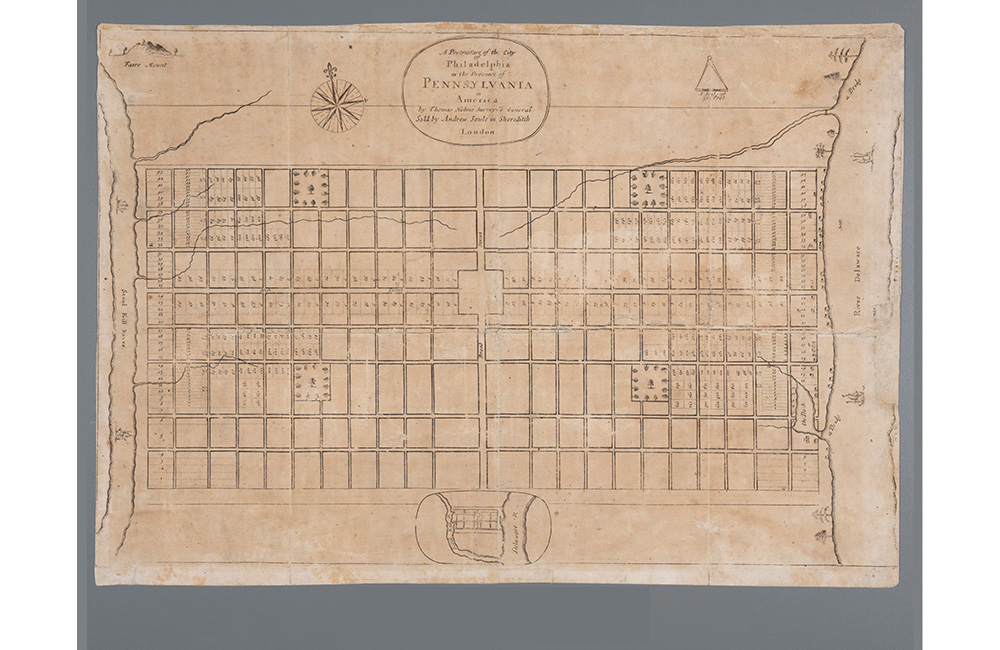
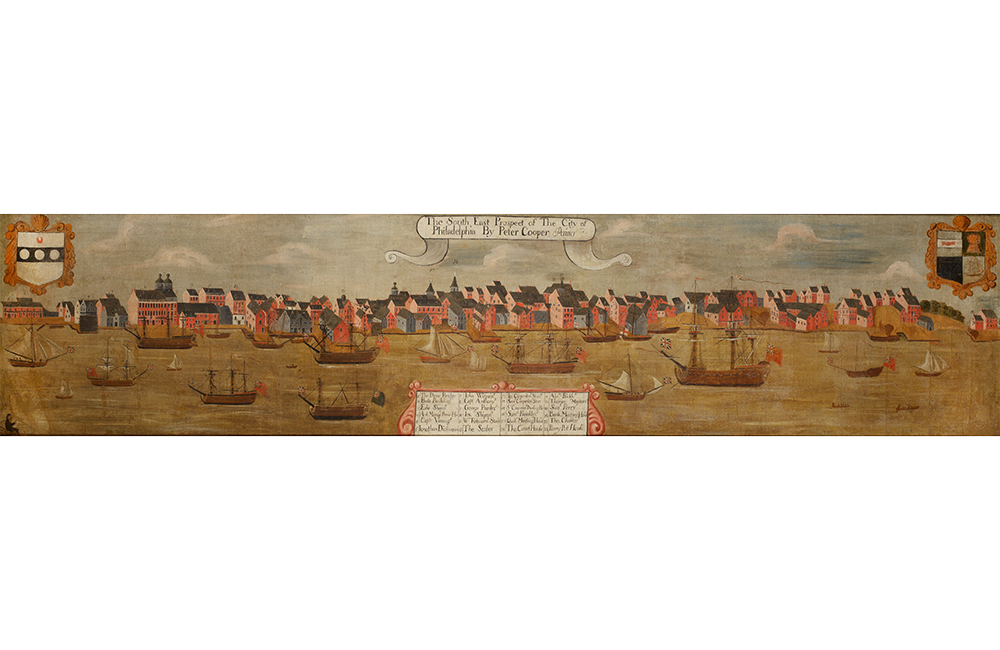
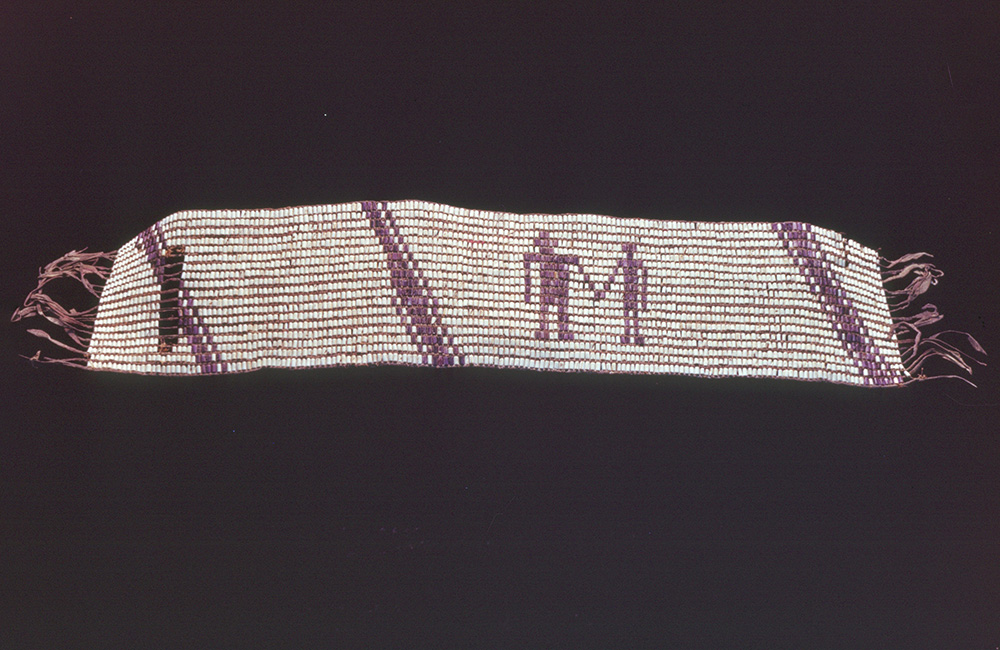
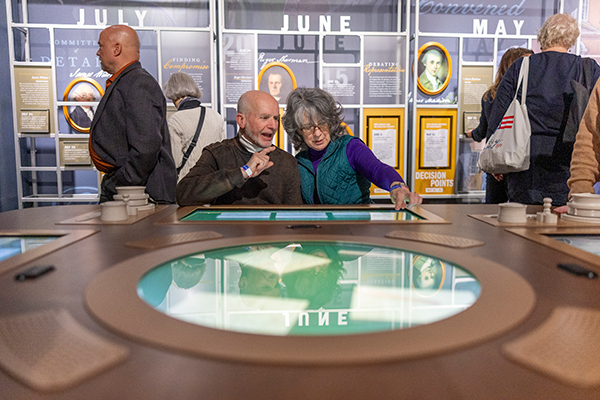
The National Constitution Center will host the exhibition, developed in partnership with Drexel University and curated by Drexel’s Lenfest Center for Cultural Partnerships and Atwater Kent Collection, which brings together rare documents, maps, artwork, and artifacts that reveal how Pennsylvania’s founding and Philadelphia’s development shaped ideas about representative government, religious liberty, civic participation, and constitutional self-government.
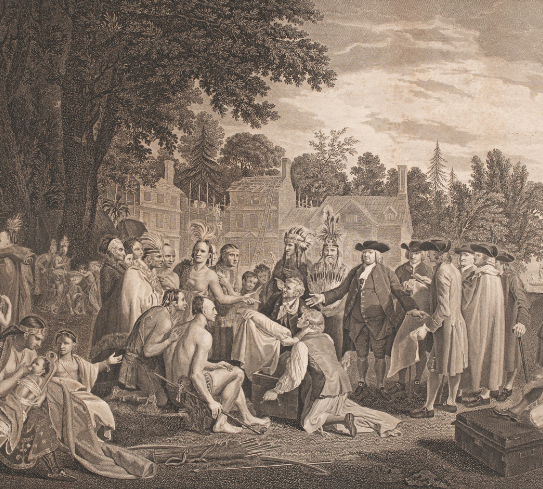
Organized in three sections—“A Holy Experiment,” “Selling an Ideal: Private Interest and the Commonwealth,” and “Liberty, Harmony, and the Struggle for Authority”—the exhibition examines William Penn’s efforts to create a tolerant colony grounded in orderly settlement, English law, and freedom of conscience, while also confronting the realities of colonial life. The exhibition also addresses Penn’s promotion of religious tolerance and negotiated relationships with Indigenous peoples, as well as Penn’s own involvement in slavery and the colony’s evolving debate over it. These stories are told alongside the ways Penn’s ideals were complicated by land hunger, displacement, and conflict, including episodes such as the Walking Purchase.
This special exhibition brings together for the first time original versions of the most important artifacts that helped define the civic character of Philadelphia and early America.
Header image credit: William Penn's Treaty With the Indians, engraving by John Hall (after Benjamin West), 1775 (Atwater Kent Collection, 90.36.174)