

Constitution in the Headlines
Constitution in the Headlines is a collection of curated resources designed to help teachers and students contextualize constitutional topics in the news. Explore shortened, classroom-friendly versions of America’s Town Hall discussions, We the People podcasts, or Constitution Daily blog posts that include nonpartisan constitutional analysis from experts and scholars from across the ideological spectrum. Each media asset will come with engagement questions, student choice activities, and primary sources to deepen student engagement, build connections and critical thinking skills, as well as foster civil dialogue.
At the National Constitution Center, we value civil dialogue, which empowers students to speak about constitutional and historical topics in ways that remain civil, respectful, and reflective. As you prepare to discuss these topics in your classroom, we encourage you to establish norms such as:
- Stay calm
- Listen patiently
- Listen actively
- Don’t speak twice until everybody has spoken once
You can find more support for establishing norms and civil dialogue practices in our Civil Dialogue Toolkit.
Featured Constitution in the Headlines Resources
A Sacred River and a City Park: Religious Liberty at the Supreme Court
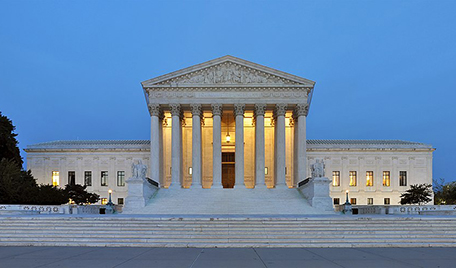
The Free Exercise Clause protects certain religious practices from government interference, but scholars have long disagreed about how far that protection reaches when a neutral law or policy, like a park renovation, makes practicing religion harder. Can the government change how public land is used, even if it makes it harder for a religious group to practice there?
Learn More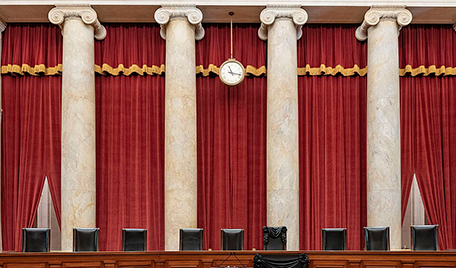
Supreme Court in Review: Another Landmark Term
This Constitution in the Headlines will explore the highlights from selected cases and opinions from the last Supreme Court term. The cases decided include topics such as tariffs, immigration, elections, presidential powers, and voting rights, as well as constitutional questions involving the First Amendment, Second Amendment, Fourth Amendment, and Fourteenth Amendment.
Learn More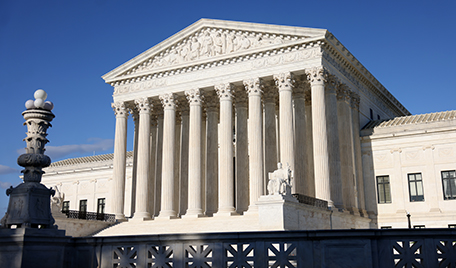
Two Paths to the Court: Original and Appellate Jurisdiction
Article III of the Constitution gives the Supreme Court two kinds of power to hear cases. Original jurisdiction involves cases that begin in the Supreme Court, while appellate jurisdiction involves cases in which the Court reviews decisions from lower courts. When can a case start at the Supreme Court, and when must it come from another court?
Learn MoreAll Constitution in the Headlines Resources
Two Paths to the Court: Original and Appellate Jurisdiction
Article III of the Constitution gives the Supreme Court two kinds of power to hear cases. Original jurisdiction involves cases that begin in the Supreme Court, while appellate jurisdiction involves cases in which the Court reviews decisions from lower courts. When can a case start at the Supreme Court, and when must it come from another court?
A Sacred River and a City Park: Religious Liberty at the Supreme Court
The Free Exercise Clause protects certain religious practices from government interference, but scholars have long disagreed about how far that protection reaches when a neutral law or policy, like a park renovation, makes practicing religion harder. Can the government change how public land is used, even if it makes it harder for a religious group to practice there?
Supreme Court in Review: Another Landmark Term
This Constitution in the Headlines will explore the highlights from selected cases and opinions from the last Supreme Court term. The cases decided include topics such as tariffs, immigration, elections, presidential powers, and voting rights, as well as constitutional questions involving the First Amendment, Second Amendment, Fourth Amendment, and Fourteenth Amendment.
The Legacy of the Declaration of Independence
How have the principles of the Declaration of Independence shaped the American story over the last 250 years?
The Supreme Court’s Emergency Docket
Does the Supreme Court’s use of the emergency docket align with its role as outlined in Article III of the Constitution?
The Callais Decision and its Impact on Racial Gerrymandering
When does drawing congressional districts to comply with the Voting Rights Act cross the line into unconstitutional racial gerrymandering?
The Constitution and the SAVE America Act
What role does the Constitution set out for Congress to play in federal elections?
The Supreme Court and Historic Birthright Citizenship Arguments
On April 1st, 2026, the Supreme Court considered arguments in Trump v. Barbara. At issue was Trump's executive order Protecting the Meaning and Value of American Citizenship, which claims that birthright citizenship does not apply in several situations traditionally understood to be protected by the 14th Amendment's Citizenship Clause.
Supreme Court Denies Artificial Intelligence Authorship Claim
Can works “outputted” by an AI system, without direct human authorship, be copyrighted?
Supreme Court Rules Trump’s Tariffs Unlawful Under IEEPA
Does the International Emergency Economic Powers Act (IEEPA) authorize the President to use Executive Orders to impose tariffs?
Second Amendment at the Supreme Court
To what extent does the Second Amendment limit the power of states to regulate firearms in the interest of public safety?
The History of Annexation of Foreign Nations by the United States
Can the United States acquire foreign territories, such as Greenland?
Amending the Constitution and the Article V Project
What are the ways in which Americans can change the Constitution? Article V lays out that process, balancing stability and change, continuity and possibility, in a way that makes constitutional theory important in practice.
The State of the Union Address
Can Congress delay the Presidents’ State of the Union address?
Venezuela and the War Powers Resolution
Does the War Powers Resolution apply to military actions taken in Venezuela?
Native Nations: From Ancient Cities to Today
How have constitutional principles and federal law influenced the sovereignty and citizenship of Native nations in the 19th and 20th centuries?
A Twenty-First Century Framework for Digital Privacy
How can we strike the right balance between security and privacy in the digital age? What constitutional and statutory protections should there be for data stored through cloud-based services, and under what circumstances and with what constraints should the government get access to it?
Press Cases After World War II
How has the Supreme Court defined the scope of press freedom in the post-World War II era?
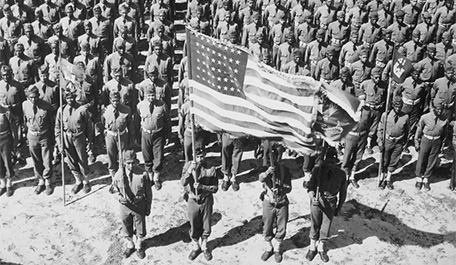
Press Censorship After World War I
How does wartime test the limits of First Amendment freedoms?

First Amendment Series: Jimmy Kimmel, ABC, and the First Amendment
What does the Constitution say about free speech on the airwaves?
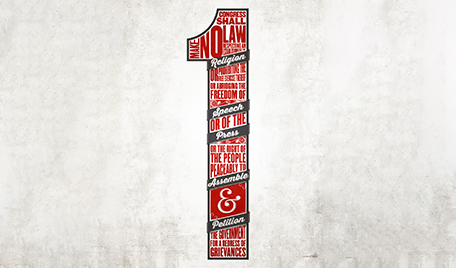
Intellectual Inspirations of the Constitution and Its Impact Today
How did Enlightenment and classical thinkers shape the Constitution? How do their ideas still guide American government today?
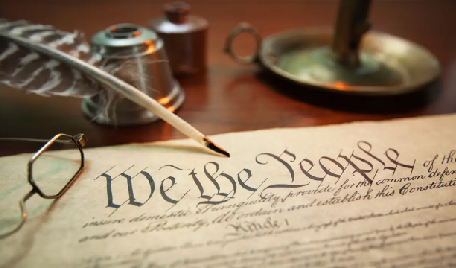
Habeas Corpus, Past and Present
There’s been renewed talk in Washington, D.C., about suspending habeas corpus, the constitutional right that protects people from being detained without justification. On May 9, 2025, White House Deputy Chief of Staff Stephen Miller suggested the Trump administration is considering suspending this right in the context of immigration enforcement, arguing the Constitution allows it in times of invasion.
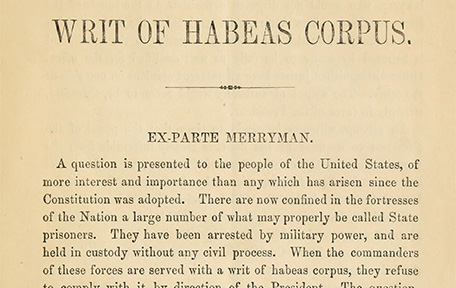
Future of Birthright Citizenship: SCOTUS Preview
On May 15, the Supreme Court will hear oral arguments in a case challenging the constitutionality of an executive order from President Donald Trump, which seeks to end birthright citizenship for the children of undocumented immigrants. While this case raises big constitutional questions about the scope of the 14th Amendment’s citizenship clause, the Court will likely focus on a narrower procedural issue: whether lower courts can block a policy nationwide.
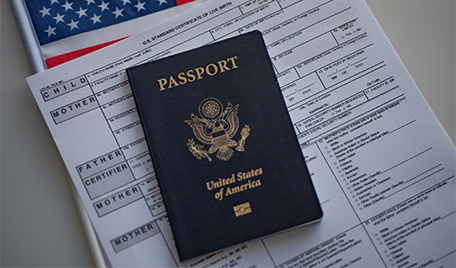
Proposed Voter Registration Changes
Presidential actions and proposed legislation in recent weeks could reshape how people register to vote for federal elections. In March, President Donald Trump issued an executive order requiring proof of citizenship for voters, while also aiming to end the practice in states of counting mail-in ballots received after Election Day.
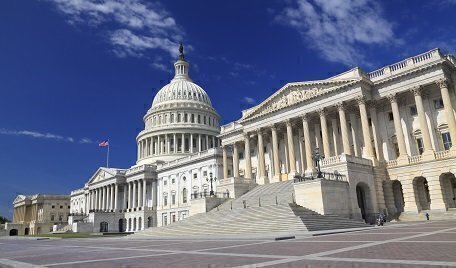
Filibuster or Speech?
On April 1, 2025, Senator Cory Booker of New Jersey set a record for making the longest speaking appearance on the Senate floor. But Booker’s effort did not likely qualify as a “filibuster,” one of the chamber’s unique traditions of attempting to block or delay a vote by not allowing debate on it to end.

The Presidency and Tariffs
In March 2025, President Trump imposed sweeping tariffs on Mexico, Canada, and China. At the beginning of April, he imposed and then mostly reversed across-the-board tariffs on all foreign countries. The tariffs against China, which remain in place, are now being challenged in federal court.
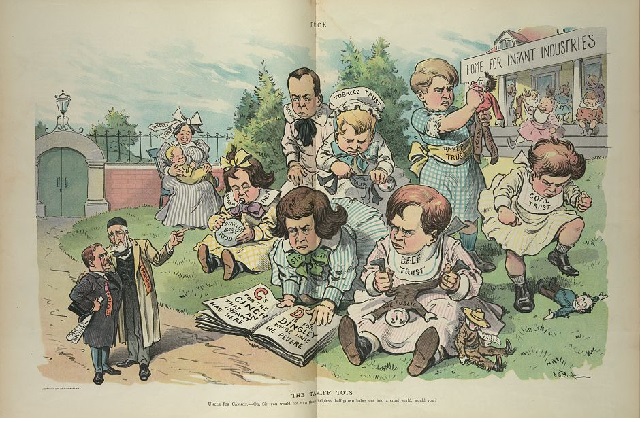
Elon Musk, DOGE, and the Appointments Clause
Elon Musk and the newly created Department of Government Efficiency (DOGE) have been freezing federal spending and laying off federal employees, raising constitutional questions about the scope of its power. At the heart of the debate is the Appointments Clause in Article II of the Constitution.
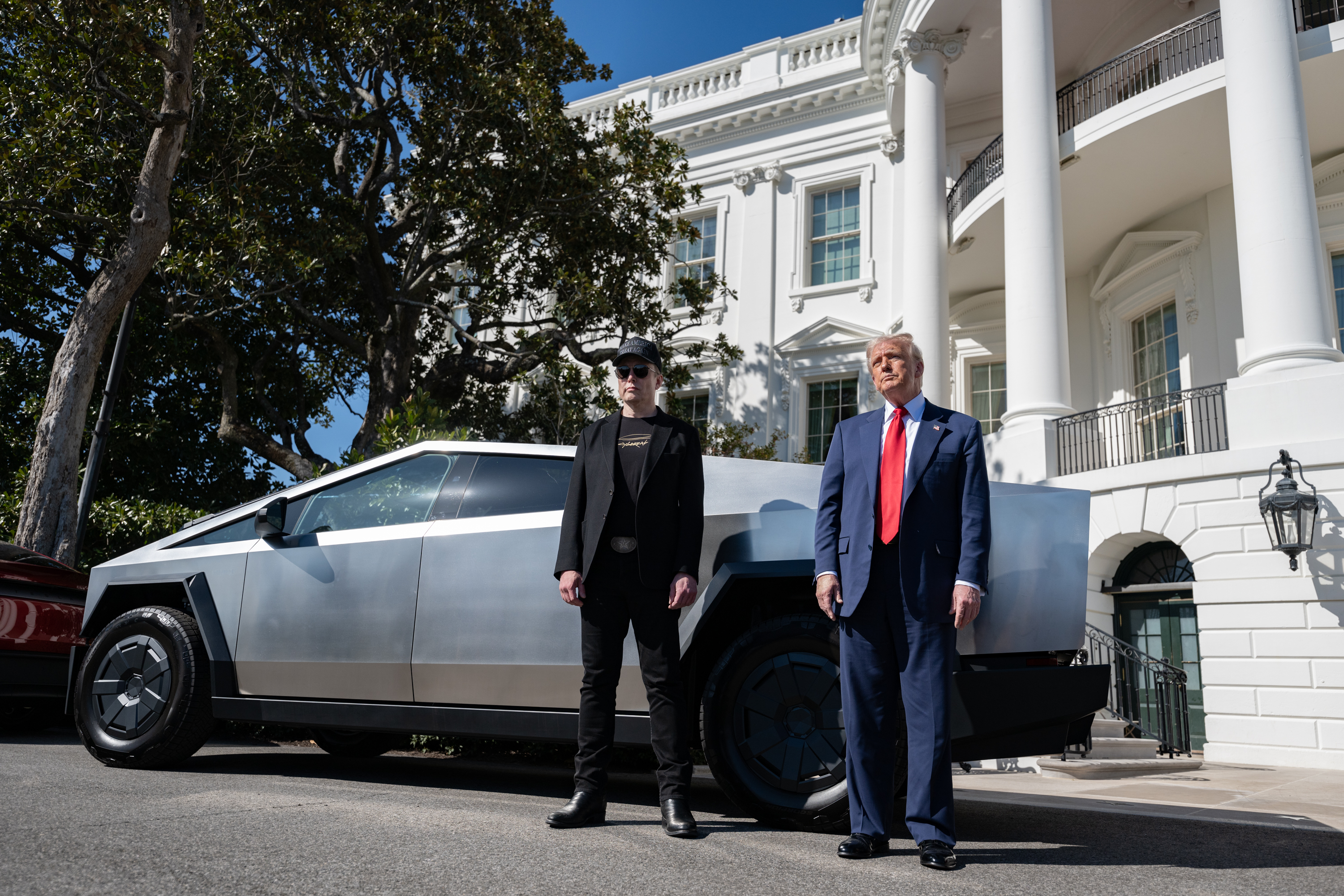
Columbia University Student Deportation Case
Recently, Mahmoud Khalil, who immigrated to the United States on a student visa and later obtained a Permanent Resident Card (sometimes called a “Green Card”), was detained by federal immigration officers and faces possible deportation after the State Department revoked his legal permanent resident status purportedly because of his participation in public pro-Palestine protests. The current case involving Khalil, a student at Columbia University in New York, may center on a law from the 1950s, and how courts interpret it.
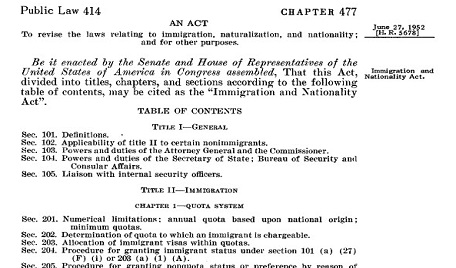
Scope of Executive Power: Part 1
In recent weeks, there has been renewed debate over the scope of executive power and the extent of the president’s authority under the Constitution. Some argue that the president has broad control over the executive branch, while others contend that this power is more limited. But what does the Constitution actually say about executive power, and how has this question been interpreted over time?

Presidential Term Limits
Recently, a member of the House of Representatives proposed changing the Constitution to allow current President Donald Trump the option of running for a third term as president. Constitutional amendment proposals are common during congressional terms, but few ever make it to the states as proposed amendments.
Executive Orders
In recent weeks, President Donald Trump has issued a series of executive orders addressing immigration, foreign affairs, federal spending, and more. But what exactly are executive orders, and how do they fit into our constitutional system?
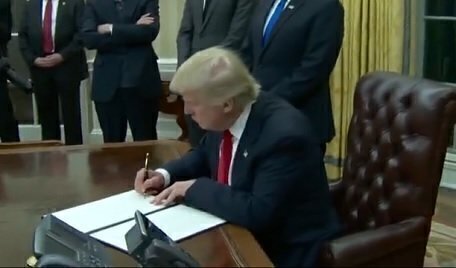
Birthright Citizenship
The question of who qualifies for U.S. citizenship at birth has been a topic of debate for years, but it has gained renewed attention recently. Birthright citizenship means that people born in the United States automatically become U.S. citizens. This approach is rooted in the Citizenship Clause of the 14th Amendment. However, some argue that this approach should be reconsidered, especially regarding children born to noncitizen parents.