
Civic Stories
The National Constitution Center’s Civic Stories program engages elementary and middle school students with the past through artifacts and the stories they tell. In this setting, students develop a deeper understanding of history and consider the ways in which artifacts humanize history through the individuals, communities, and cultures they represent. Through this practice, students begin to identify where they see themselves, their communities, and their surroundings in the broader scope of American history.
Civic Stories are free, 30-minute virtual learning experiences designed for learners in third through eighth grade. Sessions are facilitated by members of the Center’s Education team and are scheduled at times that work for teachers and their students.
Preview How Artifacts Can Spark Curiosity and Deepen Historical Thinking
Civic Stories helps students bring American history to life by examining artifacts as primary sources that reveal the people, ideas, and events of the past. By investigating these artifacts like historians and detectives, students move beyond the names and dates to understand the human experiences that shaped history. Watch the video above for a great introduction to Civic Stories and discover how artifacts can help bring history to life for students.
What You Need to Know:
- Sessions are free and geared toward elementary and middle school students.
- Sessions are scheduled at times that work for teachers and their students.
- Participating teachers choose a story theme from select constitutional topics that best align with what they are teaching.
- Civic Stories programs are hosted on the Center’s Zoom account. Once your booking is confirmed, we will create and send a Zoom link for accessing the program. If you prefer to use your own platform, please indicate during booking.
- Teachers are welcome to arrange for other classes in their school to join their session
Story Themes
Participating teachers can choose a story theme from select constitutional topics that best align with what they are teaching in their curriculum. Through this exploration, students will connect with the past, the Constitution, and the ways these historical themes shape our world today.
Use this form to schedule a session for your class.
A Growing Nation
America’s expansion reshaped the nation, creating new opportunities while also bringing conflict and profound change. These stories explore how migration, settlement, innovation, and territorial growth shaped communities, the economy, and the nation’s development.
Follows explorers Lewis and Clark as they journey across newly acquired western lands to map unfamiliar territory and build relationships with Native nations. Students examine how the Louisiana Purchase transformed the size, ambitions, and future of the United States while exploring the constitutional powers of the presidency and the role of government in acquiring and governing new territory.
Explores the experiences of immigrants arriving in the United States during the late 19th and early 20th centuries, including the hopes and challenges faced by newcomers like Annie Moore. Examines how immigration shaped American life and invites students to consider questions about citizenship, belonging, and who is included in “We the People.”
Explore the race between two railroad companies to complete the first transcontinental railroad, while highlighting the lesser known stories of railroad workers and the conditions they faced. A story of federalism in action, illustrating how the U.S. Constitution gave the federal government power to support a project that promoted national growth, connected the states, and transformed the nation.
Examines the realities of westward expansion through the experiences of one family traveling the Oregon Trail in search of new opportunities. Students investigate the promises and hardships of Manifest Destiny, consider how westward migration affected diverse communities across the nation and explore how the U.S. Constitution applied to new territories and growing communities.
American Revolution
Explore the many voices and perspectives that shaped the Revolutionary War, far beyond the battlefield. These stories reveal how people across different communities confronted questions of independence, liberty, loyalty, and self-government as a new nation emerged.
For this topic, we have created pre- and post- on-demand videos that can serve as wraparound content for your students to help them to engage with the topic of the American Revolution and concept of artifact exploration more deeply. Love the videos? Let us know at [email protected].
Share this Video with Your Students Before and After the Civic Story Program
Explores how the founders encouraged self-improvement and civic responsibility through daily habits and personal reflection. Students examine how the Founders connected the pursuit of happiness with virtue, citizenship, and constitutional self-government.
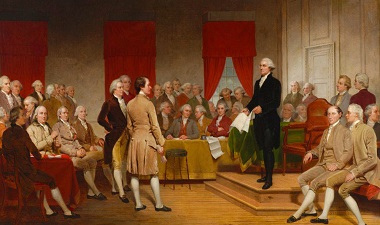
Traces the debates and compromises that shaped the Constitutional Convention of 1787 as delegates worked to create a new system of government. Students explore the challenges the founders faced in balancing power, representation, and the future of the nation.
Explores how women contributed to the cause of independence during the American Revolution as writers, activists, spies, and even soldiers in disguise. Students examine the many ways women supported political movements and shaped the nation’s founding.
Explores the stories of African Americans who fought during the American Revolution in pursuit of freedom and equality. Students examine how Black soldiers contributed to the war effort while challenging the contradictions of liberty and equality in early America.
Explores the difficult choices faced by the Haudenosaunee during the American Revolution as they navigated shifting alliances and conflict. Students explore how Native American tribes influenced the period and consider their lasting impact on ideas of governance and unity.
Civil Rights
Trace the evolving struggle for civil rights across communities and generations. These stories highlight courage, advocacy, and the ongoing pursuit of justice and equality under the law.
Traces the history of school integration through the experiences of the Little Rock Nine and the impact of Brown v. Board of Education. Students explore how high school students helped shape change in American public education and expand access to equal schooling.
Explores the colonial protests against writs of assistance, including the arguments of Founder James Otis, and how they influenced protections against unreasonable searches and seizures. Students examine how these early debates helped shape the Fourth Amendment and modern ideas of privacy and rights.
Explores the impact of Executive Order 9066 on Japanese American families during World War II, highlighting experiences of incarceration, resilience, and perseverance. Students examine how communities preserved their traditions during times of hardship.
Explores how disability rights activists used protests like the 504 sit-ins and the Capitol Crawl to demand equal access and legal protections. Students see how their efforts led to landmark laws like the Americans with Disabilities Act.
Examines how LGBTQ+ activists, including Frank Kameny and Barbara Gittings, used First Amendment rights to challenge discrimination and demand equality. Students examine how protest and advocacy helped advance civil rights and expand protections for LGBTQ+ Americans.
Follows the story of the Navajo Code Talkers of World War II and their extensive impact on the war in the Pacific. Students learn about the importance and impact of Native American culture, specifically language.
Follows Native American activists during the 1969 occupation of Alcatraz Island as they called attention to federal Indian policy, treaty obligations, and tribal sovereignty. Students explores how the occupation became an important moment in Native American history, and considers it places in broader debates over federal policy and Native rights.
First Amendment
Dive into the five freedoms protected by the First Amendment—speech, press, religion, assembly, and petition—through real stories of Americans using their rights to shape our constitutional democracy.
Explores how the First Amendment protects the rights of assembly and petition, rooted in early American concerns about government power. Students examine how farmworkers used organizing, marches, and boycotts to demand fairer wages and safer working conditions.
Traces the journey of early religious groups such as the Shakers, led by Ann Lee, who sought freedom from persecution in the New World. Students explore how early American experiences shaped the First Amendment’s protection of religious liberty.
Slavery and Civil War
Explore stories of resistance, resilience, and leadership in the fight against slavery and during the Civil War. These narratives center on the lived experiences of those who challenged the institution of slavery and shaped the war for freedom.
Explores the incredible story of Henry “Box” Brown and the broader abolitionist movement in the United States. Students examine how enslaved and free African Americans used courage and creativity to pursue freedom and challenge the institution of slavery.
Traces the life of Robert Smalls, who escaped slavery and later became a Civil War hero by using his knowledge and leadership to aid the Union. Students examine how his actions and legacy reflect resilience, bravery, and the fight for freedom.
Voting Rights
Voting is central to representative government, but access to the ballot has changed significantly throughout American history. These stories explore the people, movements, constitutional amendments, laws, and court cases that have shaped voting rights in the United States.
Investigates the fight for voting rights after the Civil War and the barriers that continued to limit access to the ballot for many Americans, even after the ratification of the 15th Amendment. Students examine how individuals and communities challenged restrictions on voting and expanded voting rights and political participation.
Traces the decades-long struggle for women’s suffrage and the movement that led to the passage of the 19th Amendment in 1920. Students explore how activists organized, protested, and petitioned for equal participation in democracy.
Explores the youth-led movement beginning in the 1960s that lowered the federal voting age to 18. Students investigate how young people used music, protest, and civic action to argue that those old enough to serve should also have a voice in government.