

Elections and the Constitution
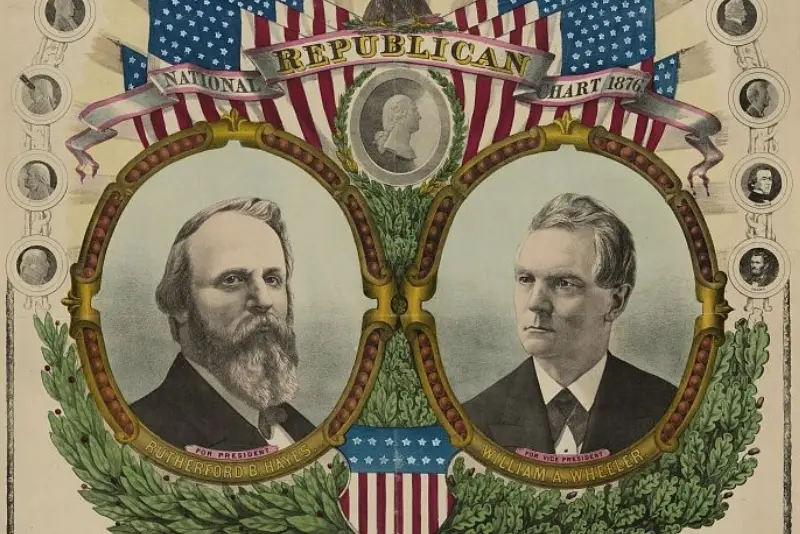
Explore free nonpartisan resources for learners of all ages, virtual programming, and exhibits from the National Constitution Center to understand how elections work.
Learn More
The National Constitution Center serves as America’s leading platform for constitutional education and debate.
Museum Open Wednesday - Sunday
10 a.m. – 5 p.m.
At the Museum
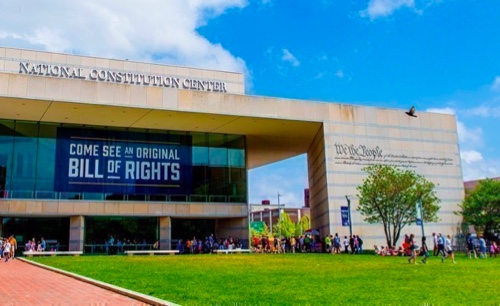
Experience the Constitution through rare artifacts, historic documents, interactive galleries, and live programming.
Now Open
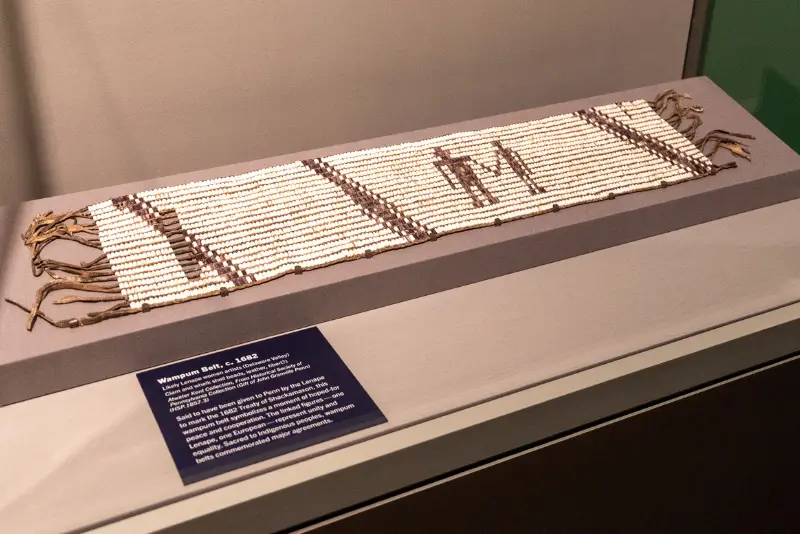
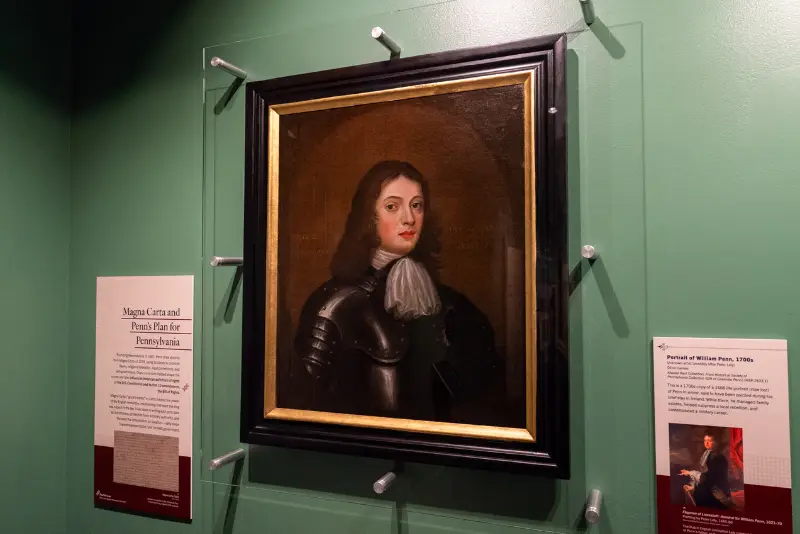
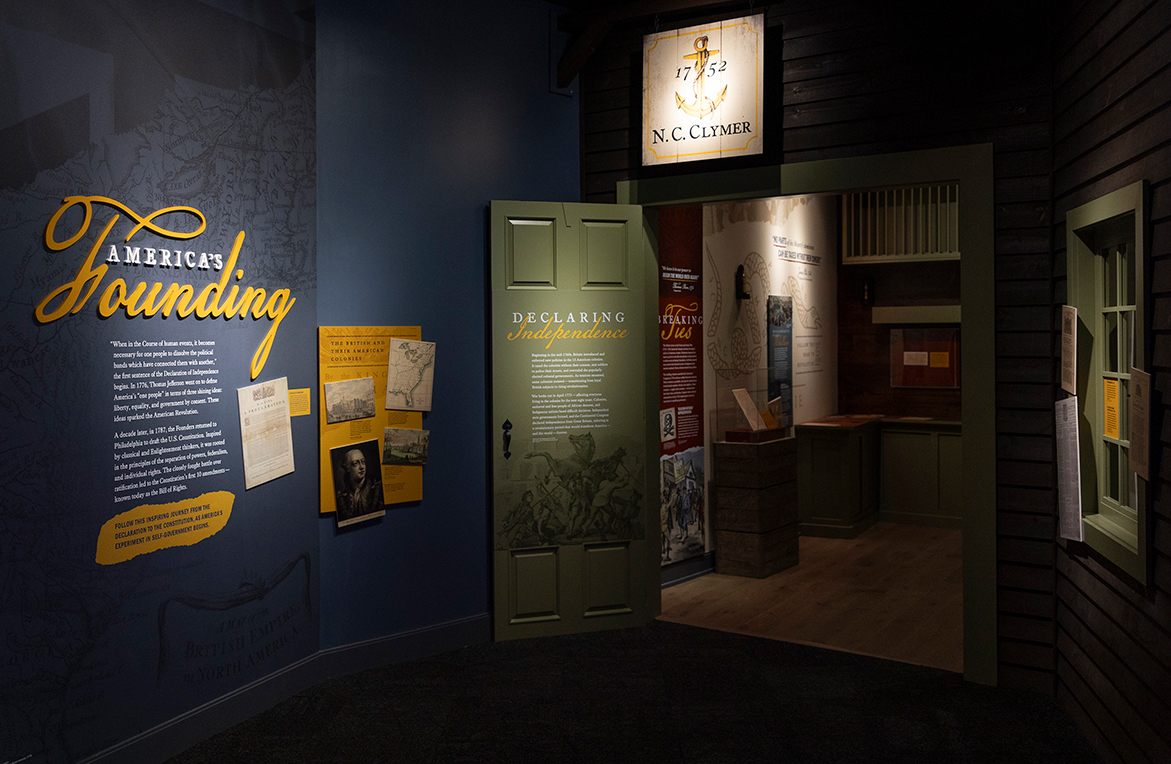
America's Founding
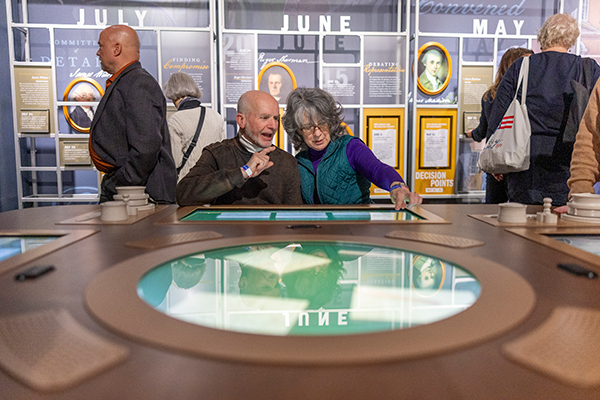
Celebrate America’s 250th anniversary year with a dynamic, interactive exploration of the American Revolution and the creation of the Constitution and Bill of Rights.
Now Open
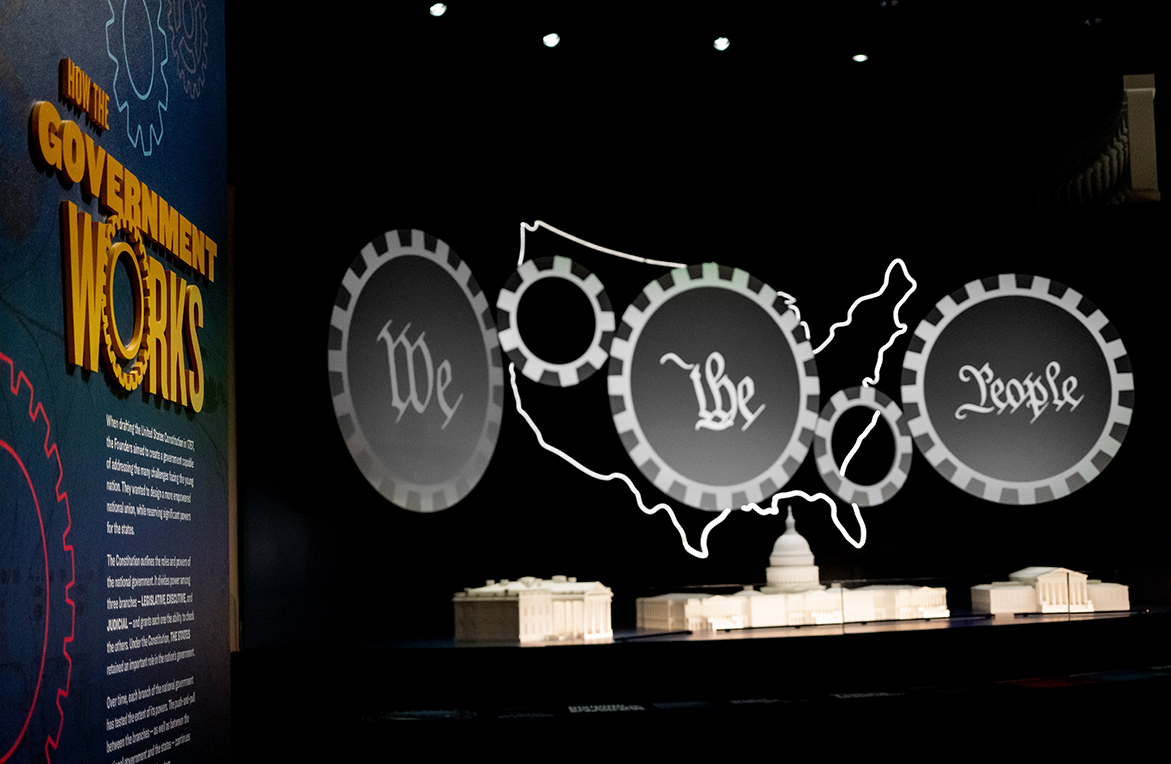
Governing the Nation
This exhibit brings the Constitution’s structure of government to life through immersive sets, historical artifacts, and interactive experiences.
Explore Constitutional Topics
Executive Power
The executive Power shall be vested in a President of the United States of America.
Blog Post

Supreme Court strikes down Trump’s birthright citizenship executive order in landmark decision
On Tuesday, a divided Supreme Court struck down President Donald Trump’s executive order on birthright citizenship and offered a broad constitutional understanding of the right to automatic citizenship for children born in the territory of the United States regardless of their nationality.
Town Hall Video

Separation of Powers and the Rule of Law
Three retired federal judges discuss how the separation of powers, federalism, and the rule of law are critical elements of American constitutional democracy that need to be safeguarded.
Podcast

President Trump’s Executive Orders
Examining the legal and constitutional stakes of the president’s actions
14th Amendment: Citizenship
All persons born or naturalized in the United States, and subject to the jurisdiction thereof, are citizens of the United States and of the State wherein they reside.
Blog Post
Supreme Court strikes down Trump’s birthright citizenship executive order in landmark decision
On Tuesday, a divided Supreme Court struck down President Donald Trump’s executive order on birthright citizenship and offered a broad constitutional understanding of the right to automatic citizenship for children born in the territory of the United States regardless of their nationality.
Podcast
Does the Constitution Require Birthright Citizenship?
Professors Akhil Amar and Edward Erler debate the president’s proposal to revoke birthright citizenship, diving into the history of the 14th Amendment’s Citizenship Clause with host Jeffrey Rosen.
Interpretations

The Citizenship Clause
The Constitution as originally adopted assumes that there is citizenship of the United States, and of the States, but does not explicitly provide a rule that tells whether anyone is a citizen of either (other than by giving Congress the power to naturalize).
The Founders
Listen to and watch programs from the National Constitution Center on the founding generation.
Town Hall Video
The Ideas at the Heart of the Declaration and the Constitution
David Blight, Robert P. George, and Annette Gordon-Reed explore the enduring ideas at the core of the Declaration of Independence and the United States Constitution—including equality, liberty, the pursuit of happiness, and government by consent—and examine how those principles have been debated, interpreted, and contested over time.
Blog Post
Constitutional Voices: Patrick Henry’s Complex Legacy
In his time, Patrick Henry achieved great fame for his skills as an orator and for his advocacy for independence from Great Britain. However, Henry’s constitutional legacy is complicated, and Henry was often in conflict with some Founders while respected by others.
Town Hall Video
The Life and Constitutional Legacy of Gouverneur Morris
Scholars Melanie Randolph Miller, Dennis Rasmussen, and William Treanor explore the life and constitutional legacy of Gouverneur Morris.
At the Court
The judicial Power of the United States, shall be vested in one supreme Court, and in such inferior Courts as the Congress may from time to time ordain and establish.
Blog Post
In birthright citizenship opinions, a major constitutional disagreement
The Supreme Court on Tuesday affirmed the public’s understanding for more than 100 years that the Constitution guarantees citizenship, with narrow exceptions, to people born in this country. But particularly striking was that four justices disagreed with the majority’s interpretation of that constitutional guarantee.
Town Hall Video
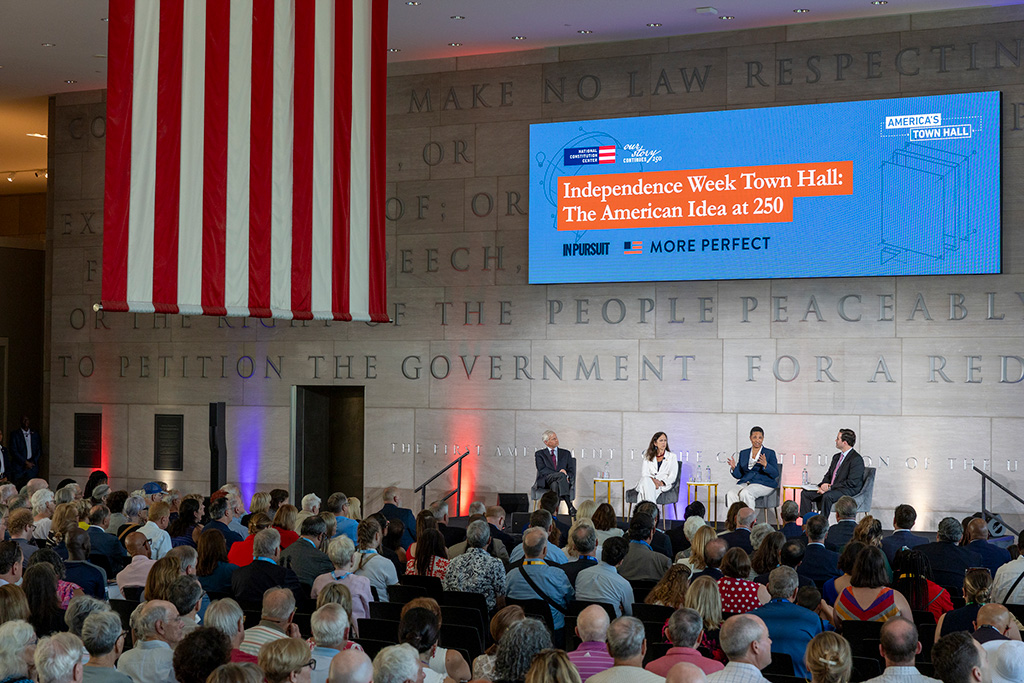
The Constitution and the Courts at the 250th
A discussion of the Constitution and the Courts at the 250th anniversary of America’s founding, presented in partnership with the Federal Judicial Center.
Blog Post
Supreme Court allows state laws regulating transgender athletes
On Tuesday, a divided Supreme Court held that state lawmakers can regulate gender identity in scholastic sports competitions, and in particular, block transgender students born as biological men from competing in women’s and girls’ sports.
Educational Resources on the Constitution
America at 250-Inspired Resources
Resources for families, educators, and lifelong learners that give you everything you need to explore the founding documents and the enduring vision they set in motion.

Constitution 101
Your guide to teaching the U.S. Constitution, modeled on our unique and proven framework for nonpartisan constitutional education.
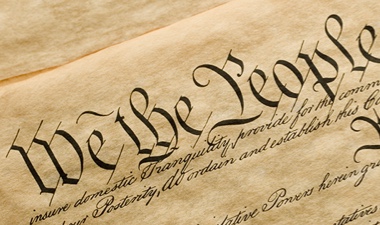
Founders’ Library
Read over 150 primary source documents that inspired the Founders and defined modern thought about rights and liberties.