


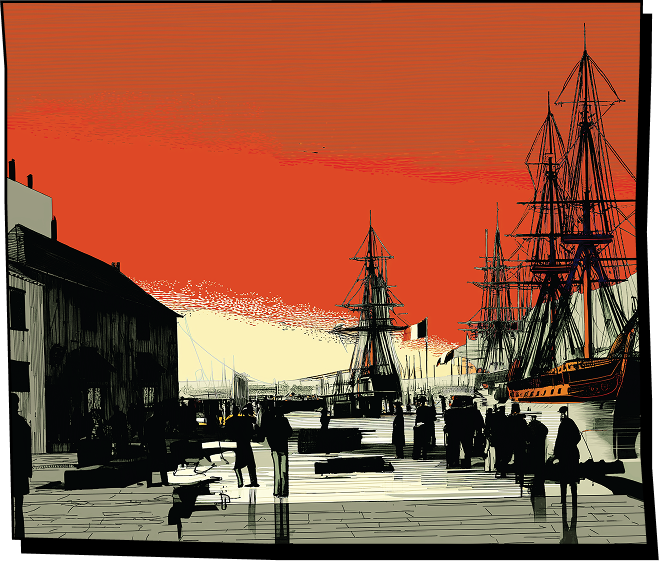
By the late 1770s, the American colonies were struggling to defeat Britain, one of the most powerful empires in the world. They lacked money, supplies, well-trained soldiers, and, most importantly, a strong navy to challenge British control of the seas. France, Britain’s longtime rival, saw an opportunity to weaken British power and regain influence after losing territory in earlier wars. After the American victory at Saratoga in 1777 proved that the colonies could win major battles, France officially entered the war as an ally.
Mission 7
Friends in Far Places
Congratulations, Civic Explorers!
You’ve completed Mission 7 and stepped into the world of teamwork during the American Revolution. As the war continued, the American colonies realized they could not succeed alone. Now it’s time to: (1) dig deeper into how alliances, especially the one with France, helped turn the tide of the war, (2) meet the people who made cooperation possible, and (3) explore how the civic strength of teamwork shaped the fight for independence.

Mission Deep Dive
Building an alliance across an ocean was slow and complicated, relying on letters that could take weeks or months to arrive. American and French leaders had to overcome language barriers, cultural differences, and disagreements about strategy. Over time, they learned to combine their strengths—French naval power and experienced troops with American knowledge of the land and local support. This cooperation was especially important at Yorktown, VA, where French ships blocked British escape while American and French soldiers attacked together on land.
This mission highlights the civic strength of teamwork, which means working together toward a shared goal, even when it requires compromise, patience, and trust. Diplomats negotiated agreements, generals coordinated plans, and soldiers from different countries learned to rely on one another. Success did not come from any one person or nation alone, but from combining skills, perspectives, and effort over time.
The success of the American Revolution showed that teamwork was essential, a lesson the Framers carried into designing the Constitution years later. Just as the colonies had to work with France to achieve independence, the new government under the Constitution was built to require teamwork rather than allowing one person to make all the decisions. We see the idea of teamwork built into the Constitution in several ways:
- Article I, Section 7: Passing laws often requires the House of Representatives, the Senate, and the president to work together, encouraging discussion, compromise, and shared responsibility.
- Article V: Changing the Constitution takes teamwork, requiring broad agreement from Congress and the states before changes can be made.
Together, these systems show that decisions are often strongest and most durable when many voices work together toward a common goal.
About the People
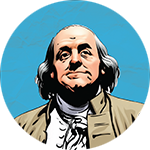
Benjamin Franklin
Benjamin Franklin was born in Boston to a working-class family and largely educated himself, starting as an apprentice printer to later becoming one of the most famous thinkers of his time. He became well known as a writer, inventor, and community builder. He used his kindness, humor, and reputation as a scientist and writer to make friends and earn trust from French leaders. Franklin helped convince France to support the American cause with money, supplies, soldiers, and ships. His ability to work well with others helped turn France into a powerful ally.
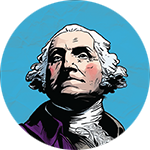
George Washington
George Washington was a Virginia planter and military officer who became the commander of the Continental Army and later, the first president of the United States. During the Revolutionary War, he knew the Americans could not win alone and understood the importance of allies. Washington worked closely with French generals to plan battles and coordinate leadership, helping American and French troops achieve their decisive victory at Yorktown. As president, he strengthened the new federal government under the Constitution and set a lasting example by stepping down from office peacefully, showing that leaders serve the nation, not themselves.
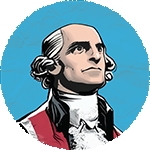
John Jay
John Jay was born in New York City into a merchant family and trained as a lawyer before the American Revolution. His background taught him to value order, law, and careful decisionmaking. At first, Jay was cautious about relying too much on another country for assistance, worrying that the colonies might trade one powerful ruler for another. Over time, he helped negotiate treaties with France and others in ways that balanced teamwork with protecting American independence.
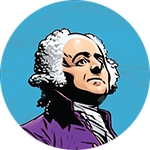
John Adams
John Adams was a lawyer from Massachusetts who helped lead the push for independence and later served as the first vice president, and then second president of the United States. Before the Revolutionary War, he famously defended the British soldiers involved in the Boston Massacre, showing his commitment to fairness and the rule of law. During the Revolutionary War, he represented the United States in Europe, helping secure loans and maintain French support even when progress was slow or frustrating. As president, Adams strengthened the rule of law, kept the nation out of a full war with France through diplomacy, and participated in a peaceful transfer of power.
Behind the Clues: Primary Sources from the Mission
We used real historical artifacts as inspiration for the modified versions you encountered during your mission. Here, you can explore the original artifacts as they actually appeared, without any added clues.
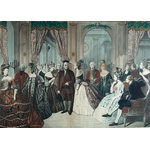
Benjamin Franklin's reception in France
Paintings and objects from Franklin’s time in Paris show how he became a symbol of the American cause, helping build trust and enthusiasm for the alliance.
Learn more about this artifact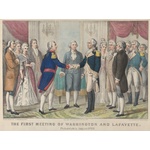
First meeting of the Marquis de Lafayette and George Washington
Artwork and records capture the partnership between American and French leaders that became central to the alliance and the war effort.
Learn more about this artifactFamily Conversation Starters
Q: When have you worked with others to solve a problem or reach a goal you couldn’t achieve alone?
During the American Revolution, teamwork across countries helped make independence possible. How does working together change what’s possible,and what makes teamwork successful?

Questions About Civic Quest?
Find answers to frequently asked questions about the Civic Quest game, missions, and learning experience.
Add Your Family's Story
Create Your Time Capsule
Civic Quest is just the beginning. Share your family’s civic story and help shape the future through the Time Capsule Challenge.
More Family Learning Resources
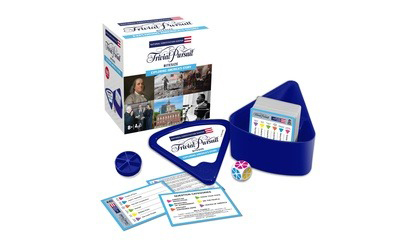
Trivial Pursuit
Created for families to play together, this special edition includes 600 total questions, with 300 written for kids and 300 for adults, making it easy for everyone at the table to participate. Questions span six civic categories: American Revolution, Know Your State, Voices from History, We the People, Branches of Government, and History Happened Here.
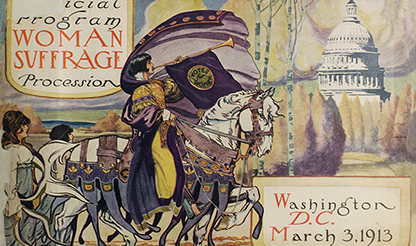
Civic Stories
Civic Stories are free, virtual programs that bring history to life for kids through real artifacts and the powerful stories behind them. Led by the National Constitution Center’s Education team, these interactive sessions help young learners connect the Constitution to their own lives, communities, and the world around them.
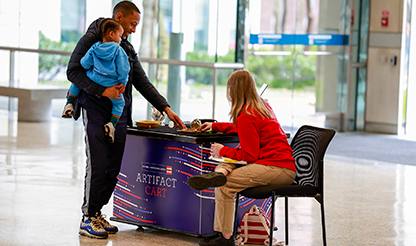
Family Programs at the Center
Experience the museum through special events designed for families including, Sensory-Friendly Days, Family Fun Nights, Scouts Days, civic holiday celebrations, and weekend activities. These shared experiences invite families to explore big civic ideas together, connect across generations, and engage with the history and stories of the Constitution.