

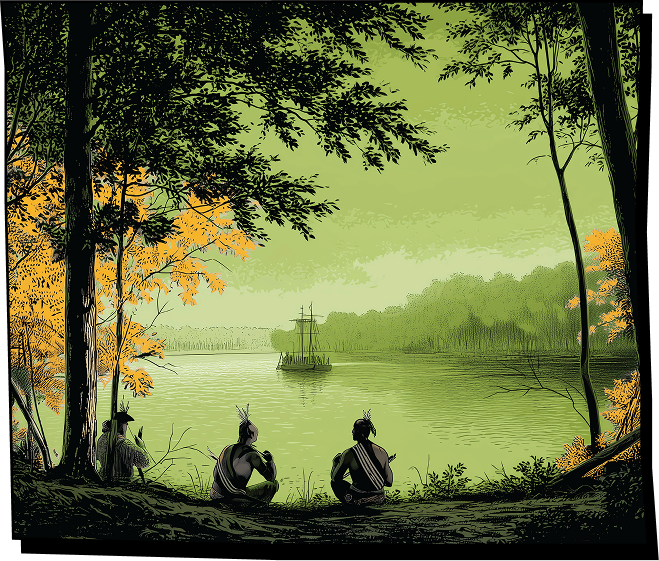
Native nations did not all respond to the American Revolution in the same way. Some chose to support the British, some sided with the colonists, and others tried to remain neutral. These decisions were based on many factors like relationships with the colonists and the British, past treaties, and concerns about land and safety. Native nations played a critical role because their alliances could influence control of territory, trade routes, and the outcome of battles.
Mission 5
Divided Alliance
Well done, Civic Explorers!
You’ve completed Mission 5 and stepped into one of the most complex moments of the American Revolution. Native Americans faced difficult choices about how or whether to take part in the conflict. Now it’s time to explore why nations made different choices, meet key figures, and learn how Native Americans shaped the outcome.

Mission Deep Dive
During the American Revolution, both the British and the colonists tried to gain the support of Native American nations. Many Native Americans worked with the British because British leaders wanted to keep colonists from moving west. Expanding west was expensive and difficult for Britain, and British officials did not want to spend the money or resources to control new territory. Native American nations also wanted to stop colonists from moving onto their land. For these different reasons, the British and Native nations formed alliances with overlapping goals. Sadly, many promises made to Native nations were broken, and Native Americans lost their land no matter which side they supported.
This mission highlights the civic strength of integrity, which means doing what you believe is right, keeping promises, and acting responsibly toward your community—even when the choices are difficult. Native American leaders faced pressure from multiple sides, but they made decisions they believed would best protect their communities. Though their alliances and paths differed, many acted with integrity by remaining loyal to their communities.
The Constitution references Native Americans three times, using the term “Indians,” and these references shaped how the federal government defined its relationship with these nations.
- Article I, Section 2 (Apportionment Clause): “Indians not taxed” were excluded from population counts used to determine representation in Congress.
- Article I, Section 8 (Commerce Clause): Congress was given the power to regulate trade “with Indian tribes,” acknowledging Native nations as separate from the United States.
- 14th Amendment, Section 2 (1868): While it granted birthright citizenship to those born on American soil and subject to the nation’s jurisdiction, it did not automatically include most Native people, who were still treated as members of separate nations.
While the Constitution established early rules for how the United States viewed Native American nations, many of the most important changes came later through laws passed by Congress. These laws shaped citizenship, land rights, and the relationship between Native nations and the federal government. Some laws expanded rights and recognition, while others caused serious harm and loss of land and sovereignty. Together, they show how the government’s treatment of Native Americans has changed over time—and how those decisions continue to matter today.
- Indian Citizenship Act of 1924: Granted U.S. citizenship to Native Americans, while many remained citizens of their tribal nations, too
- House Resolution 331 (1988): Formally recognized that the Haudenosaunee helped inspire ideas of government that influenced the creation of the U.S. Constitution
- Indian Self-Determination and Education Assistance Act of 1975: Allowed Native nations to take greater control over their own education, healthcare, and community programs
About the People

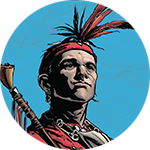
Joseph Brant (Thayendanegea)
Joseph Brant (Thayendanegea) was a Mohawk leader, diplomat, and military officer. He believed that supporting the British during the war offered the best chance to protect Haudenosaunee land from colonial expansion. Brant helped organize Native support for the British and worked to secure promises about land and sovereignty that were later largely broken.
Gaiänt'wakê
Gaiänt'wakê, also known as Cornplanter, was a Seneca leader and diplomat who supported the British during the Revolution. He believed siding with Britain would help limit settler expansion onto Native lands. After the war, he continued to advocate for Native rights, working to protect Seneca territory in the face of growing pressure from the new United States.
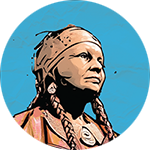
Polly Cooper
Polly Cooper was an Oneida woman remembered for her bravery and generosity. During the harsh winter at Valley Forge, she traveled with other Oneida to bring food and aid to Washington’s troops and in the Continental Army. Her actions symbolized the Oneida Nation’s alliance with the colonists and reflected integrity through care, sacrifice, and commitment to helping others survive.
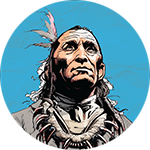
Skenandoah
Skenandoah was an Oneida leader who supported the American colonists while also advocating for peace and cooperation. He worked closely with colonial leaders, believing that siding with the colonists could protect his people’s future. Skenandoah remained committed to his community even as alliances fractured and violence spread.
Behind the Clues: Primary Sources from the Mission
We used real historical artifacts as inspiration for the modified versions you encountered during your mission. Here, you can explore the original artifacts as they actually appeared, without any added clues.
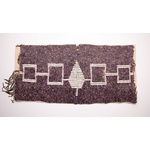
Wambum belts
Wampum belts were used by many Native nations to record agreements, relationships, and shared history. Their presence in Mission 5 reflects the importance of promises, memory, and responsibility.
Learn more about this artifact
Oneida support of Washington's troops
Historical artwork and records show the Oneida Nation’s support of the Continental Army, highlighting their role as allies during the Revolution.
Learn more about this artifact
Polly Cooper's shawl
The shawl given to Polly Cooper by Martha Washington symbolized gratitude and alliance, a reminder of cooperation during wartime.
Learn more about this artifactFamily Conversation Starters
Q: Can you think of a time when you had to choose between difficult options?
What helped you decide? During the American Revolution, Native nations faced difficult choices that could affect their communities.

Questions About Civic Quest?
Find answers to frequently asked questions about the Civic Quest game, missions, and learning experience.
Add Your Family's Story
Create Your Time Capsule
Civic Quest is just the beginning. Share your family’s civic story and help shape the future through the Time Capsule Challenge.
More Family Learning Resources
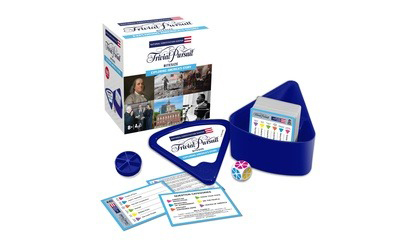
Trivial Pursuit
Created for families to play together, this special edition includes 600 total questions, with 300 written for kids and 300 for adults, making it easy for everyone at the table to participate. Questions span six civic categories: American Revolution, Know Your State, Voices from History, We the People, Branches of Government, and History Happened Here.
Civic Stories
Civic Stories are free, virtual programs that bring history to life for kids through real artifacts and the powerful stories behind them. Led by the National Constitution Center’s Education team, these interactive sessions help young learners connect the Constitution to their own lives, communities, and the world around them.

Family Programs at the Center
Experience the museum through special events designed for families including, Sensory-Friendly Days, Family Fun Nights, Scouts Days, civic holiday celebrations, and weekend activities. These shared experiences invite families to explore big civic ideas together, connect across generations, and engage with the history and stories of the Constitution.