


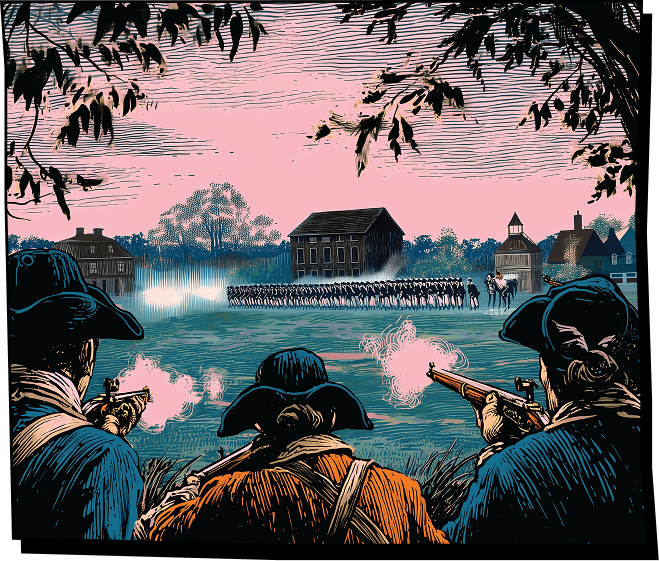
On April 19, 1775, British soldiers marched from Boston toward the towns of Lexington and Concord on a mission to seize military supplies and prevent what they feared was an organized rebellion from the colonists. At the same time, colonists across Massachusetts had been preparing for the possibility of confrontation and formed local militias made up of ordinary citizens ready to defend their communities. On that day, the two sides clashed in an event that would mark the first battles of the American Revolution. Years of protest had now evolved into open violence, proving that the conflict could no longer be avoided.
Mission 4
The Shot Heard ‘Round the World
Great work, Civic Explorers!
You’ve completed Mission 4 and stepped into the very first battles of the American Revolution. Now it’s time to take a closer look at what happened in Lexington and Concord, meet the people who played important roles, and explore how this event helped shape our nation’s history.

Mission Deep Dive
British leaders were alarmed that the conflict had broken out and quickly realized they no longer had full control in Massachusetts. British troops retreated to Boston, and General Thomas Gage declared martial law while requesting more soldiers from Britain. What had begun as an effort to seize weapons now looked like the start of a wider rebellion.
Colonists responded by mobilizing. News of the fighting spread, and militia members from towns across New England gathered to surround Boston. Many colonists now believed armed resistance was necessary. In the days that followed, communities organized defenses and shared information, preparing for a long struggle for independence.
This mission highlights the civic strength of bravery, which means choosing to act, speak up, or stand firm even when the outcome is uncertain. Ordinary people showed bravery by facing trained soldiers and publicly supporting colonial resistance. Their courage was not just physical, but also rooted in their willingness to defend their communities and beliefs.
The bravery shown at Lexington and Concord reinforced the idea that freedom depends on people willing to take risks for their rights. The founders later built protections into the Constitution to support this kind of civic bravery, especially through the First Amendment. By protecting speech, press, religion, assembly, and petition, the Constitution ensures that we can speak out and organize without fear, an important foundation of a democratic society.
About the People
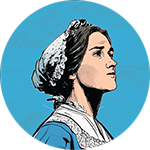
Mercy Otis Warren
Mercy Otis Warren was a writer, poet, and political thinker who closely followed the events of the American Revolution, including the events at Lexington and Concord. Through her plays and writings, she helped explain and defend colonial resistance, encouraging others to see bravery as a civic duty. Her writing shaped how the colonists understood the conflict with Britain and later influenced debates about freedom, rights, and the Constitution.
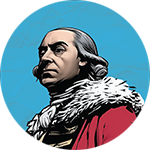
General Thomas Gage
General Thomas Gage was the British military governor of Massachusetts and the official who ordered the march to Lexington and Concord. He fought in the French and Indian War and believed strong military control was the best way to keep order in the colonies. As tensions rose, he feared colonial resistance was turning into open rebellion, leading him to order the march to Lexington and Concord to seize weapons. Instead of restoring peace, the fighting weakened his power and marked the beginning of a war he had hoped to prevent and would ultimately lose.
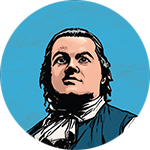
Paul Revere
Paul Revere was a skilled silversmith and well-connected member of Boston’s patriot network. On the night before the battles of Lexington and Concord, Revere rode to warn local leaders and militia members that British troops were on the move. His bravery helped communities prepare, showing that communication and coordination were just as important as weapons in the opening moments of the Revolution. He was also a trusted messenger for patriot leaders and took part in multiple intelligence-gathering missions, helping create an early system that united resistance efforts across Massachusetts.
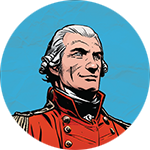
Major John Pitcairn
Major John Pitcairn was a British officer who commanded the troops during the march to Lexington and Concord. He was present at the tense standoff in Lexington and later led the British forces during the fighting in Concord. Although he reportedly tried to avoid fighting at first, the situation soon spiraled out of control. His role in the event shows how confusion, fear, and specific decisions turned a confrontation into an armed conflict.
Behind the Clues: Primary Sources from the Mission
We used real historical artifacts as inspiration for the modified versions you encountered during your mission. Here, you can explore the original artifacts as they actually appeared, without any added clues.

Gunpowder Horn
Gunpowder horns were important tools in colonial America. Many men were required by law to serve in local militias, and they carried their gunpowder in curved horns like these, often made from animal horn. Minutemen used powder horns to keep their gunpowder dry and ready, and many horns were decorated or marked by the people who owned them, making each one unique.
Learn more about this artifactFamily Conversation Starters
Q: What does bravery look like in everyday life?
During Lexington and Concord, ordinary people took risks to protect their communities and fight what they believed was right. Can you think of a time you had to be brave?

Questions About Civic Quest?
Find answers to frequently asked questions about the Civic Quest game, missions, and learning experience.
Add Your Family's Story
Create Your Time Capsule
Civic Quest is just the beginning. Share your family’s civic story and help shape the future through the Time Capsule Challenge.
More Family Learning Resources

Trivial Pursuit
Created for families to play together, this special edition includes 600 total questions, with 300 written for kids and 300 for adults, making it easy for everyone at the table to participate. Questions span six civic categories: American Revolution, Know Your State, Voices from History, We the People, Branches of Government, and History Happened Here.
Civic Stories
Civic Stories are free, virtual programs that bring history to life for kids through real artifacts and the powerful stories behind them. Led by the National Constitution Center’s Education team, these interactive sessions help young learners connect the Constitution to their own lives, communities, and the world around them.

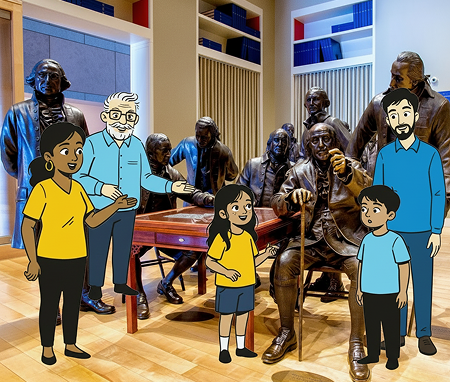
Family Programs at the Center
Experience the museum through special events designed for families including, Sensory-Friendly Days, Family Fun Nights, Scouts Days, civic holiday celebrations, and weekend activities. These shared experiences invite families to explore big civic ideas together, connect across generations, and engage with the history and stories of the Constitution.