


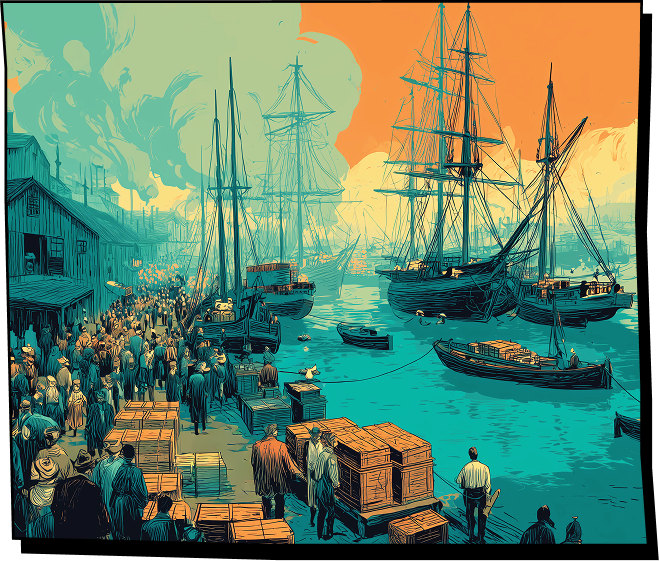
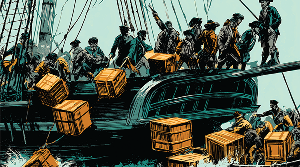
The Boston Tea Party took place in December 1774, after Parliament passed the Tea Act, which allowed the British East India Company to sell tea in the colonies while collecting a tax on it. Many colonists believed accepting the tea meant accepting taxation without representation. After meeting at the Old South Meeting House, members of the Sons of Liberty boarded three ships in the harbor—Dartmouth, Eleanor, and Beaver—and dumped over 300 chests of tea into the harbor.
Mission 3
The Harbor Stirs
Congratulations, Civic Explorers!
You’ve completed Mission 3 and stepped into one of the most famous acts of protest in American history. Now it’s time to dig deeper into what happened in Boston Harbor, meet the people who shaped this bold moment, and explore how the civic strength of resolution helped spark lasting change.

Mission Deep Dive
British leaders viewed the destruction of the tea as a serious crime and a challenge to Parliament’s authority. In response, they passed harsh new laws known as the Coercive Acts (also referred to as the Intolerable Acts). These laws closed Boston Harbor and placed Massachusetts under tight British control. The British hoped this would weaken colonial resistance, but these actions angered people across the colonies and pushed them to unite, which led to greater cooperation and united demands for change.
Resolution means staying committed to a goal even when taking action is difficult or risky. The colonists showed resolution by standing together protesting laws they believed were unfair. Even when facing punishment from British leaders, they remained determined to make their voices heard.
The Boston Tea Party wasn’t just about tea, it was about breaking down barriers that kept people from having a say in their own government. The colonists' determination to demand representation helped shape later constitutional protections that expanded participation in civic life. Over time, this commitment influenced amendments that strengthened representative government. These amendments reflect our nation’s effort to turn determination into lasting change:
- 15th Amendment, banning discrimination on basis of race in voting
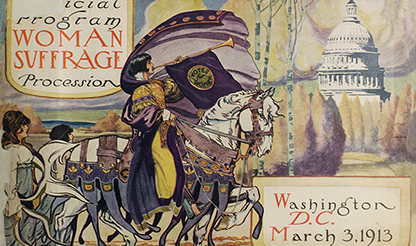
- 19th Amendment, banning discrimination on basis of sex in voting
- 24th Amendment, banning poll taxes in federal elections
- 26th Amendment, lowering the voting age to 18
About the People

Samuel Adams
Samuel Adams was a leader of the Sons of Liberty who helped organize resistance to British policies. He played a big role in the meetings at the Old South Meeting House that led to the Boston Tea Party and helped mobilize colonists to take action. Adams believed strongly that unity and determination among the colonists were necessary to challenge unfair laws, and his leadership helped turn frustration into organized protest.

John Hancock
John Hancock was a wealthy merchant and outspoken patriot who supported the resistance to British rule. His own ships had previously been seized by British officials for smuggling, which made him a strong critic of the British control over the trade. His influence, resources, and public support helped bolster support for resistance efforts like the Boston Tea Party and encouraged others to stand up to Parliament. As president of the Second Continental Congress, Hancock played a leadership role during the early years of the Revolution, and his bold signature on the Declaration of Independence made him a lasting symbol of colonial defiance.
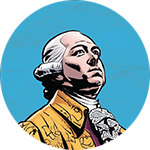
Lord Frederick North
Lord Frederick North was Britain’s prime minister at the time of the Boston Tea Party. After the tea was destroyed, he supported passing the Coercive Acts to punish Massachusetts and reassert British authority. His response to the protest helped escalate tensions and convinced many colonists that Britain was unwilling to listen to their concerns.

Governor Thomas Hutchinson
Governor Thomas Hutchinson was the royal governor of Massachusetts and a firm supporter of British authority even though he had been born in Boston. Years earlier, his home had been attacked by a mob of colonists during protests, which made him fearful of disorder and unrest. When he refused to allow the tea ships to leave Boston Harbor without unloading and paying the tax, Hutchinson believed he was upholding the law, but his decision upset the colonists. As tensions grew, he was eventually removed from office and forced to leave Massachusetts.
Behind the Clues: Primary Sources from the Mission
We used real historical artifacts as inspiration for the modified versions you encountered during your mission. Here, you can explore the original artifacts as they actually appeared, without any added clues.
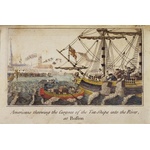
Tea Act Broadside
Printed notices like this explained the Tea Act and its rules for selling tea in the colonies. Many colonists saw documents like these as symbols of unfair control, helping to fuel resistance. Learn more about this artifact.
Learn more about this artifactFamily Conversation Starters
Q: When and why do you think it's important to stand up for what you believe, even—or, perhaps, especially—if it feels risky?
That’s the choice colonists faced during the Boston Tea Party. Can you think of a time when speaking up mattered?

Questions About Civic Quest?
Find answers to frequently asked questions about the Civic Quest game, missions, and learning experience.
Add Your Family's Story
Create Your Time Capsule
Civic Quest is just the beginning. Share your family’s civic story and help shape the future through the Time Capsule Challenge.
More Family Learning Resources

Trivial Pursuit
Created for families to play together, this special edition includes 600 total questions, with 300 written for kids and 300 for adults, making it easy for everyone at the table to participate. Questions span six civic categories: American Revolution, Know Your State, Voices from History, We the People, Branches of Government, and History Happened Here.
Civic Stories
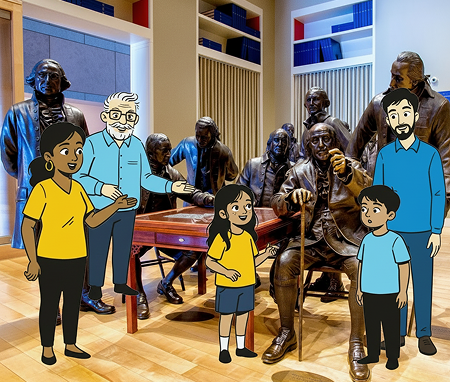
Civic Stories are free, virtual programs that bring history to life for kids through real artifacts and the powerful stories behind them. Led by the National Constitution Center’s Education team, these interactive sessions help young learners connect the Constitution to their own lives, communities, and the world around them.

Family Programs at the Center
Experience the museum through special events designed for families including, Sensory-Friendly Days, Family Fun Nights, Scouts Days, civic holiday celebrations, and weekend activities. These shared experiences invite families to explore big civic ideas together, connect across generations, and engage with the history and stories of the Constitution.