

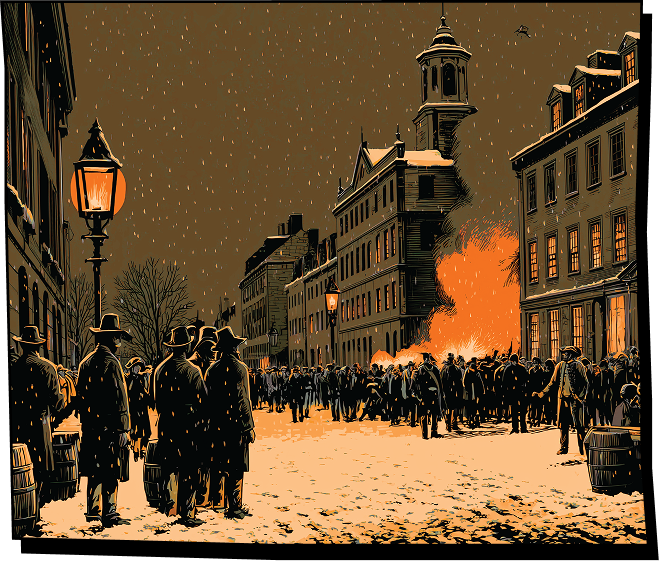
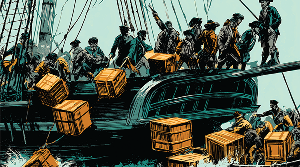
The Boston Massacre took place on March 5, 1770, after growing tensions between British soldiers stationed in Boston and local colonists. A confrontation on King Street escalated when a crowd of colonists gathered shouting insults and throwing debris at the soldiers. Shots were fired, and by the end of the night, five colonists had been killed. The event deepened colonial distrust of British authority.
Mission 2
Tension in the Streets
Congratulations, Civic Explorers!
You’ve completed Mission 2, and now it’s time to dig a little deeper. Explore more about what unfolded during this moment of history, get better acquainted with the people who shaped it, and further explore the ideas that continue to define our story today.

Mission Deep Dive
Colonists responded in different ways. Some used newspapers, speeches, and images, like Paul Revere’s famous engraving, to portray the soldiers as brutal aggressors and stir anger against British rule. Others emphasized the importance of law and order, which led to a public trial in which the soldiers were defended in court. Many colonists struggled to balance outrage with their desire for justice and their commitment to the rule of law. British officials also took the event seriously, and viewed it as a breakdown of order in the colonies rather than as an act of planned violence. To ease tensions, British leaders removed most soldiers from Boston and allowed the legal process to move forward. The trials became an important test of whether fairness and the rule of law could apply to everyone, even during moments of deep conflict.
Fairness means treating people justly even in difficult situations. John Adams demonstrated fairness by agreeing to defend the British soldiers, believing that everyone deserved a fair trial based on evidence rather than emotion. Although his decision was unpopular at the time, Adams later noted he was proud of his choice, calling it one of the most important acts of his whole life. His actions showed that fairness can matter most when it is hardest to practice.
The debates surrounding the Boston Massacre helped shape the protections later written into the Bill of Rights. The framers wanted to prevent unfair treatment by the government, which led to guarantees like due process, protection against unreasonable searches, and the right to a fair trial. These ideas are reflected most clearly in the Third, Fourth, Fifth, and Sixth Amendments, all rooted in colonial experiences like those in Boston.
About the People
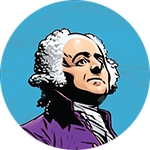
John Adams
John Adams was a Boston lawyer who later became the first vice president and second president of the United States. After the Boston Massacre, he agreed to defend the British soldiers in court, even though many colonists were furious and wanted them punished immediately. Adams believed that fairness and the rule of law mattered more than public opinion, and his defense showed that the colonies could uphold justice and fairness even during times of crisis.
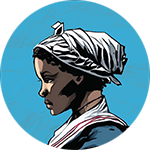
Phillis Wheatley
Phillis Wheatley was an enslaved poet living in Boston at the time of the massacre. Although she was not directly involved in the confrontation, she witnessed the tension and violence of the era in the city. After the massacre, she wrote a poem honoring the colonists who died during the event. Her poetry reflects on ideas like freedom, morality, and human dignity, reminding us that people experiencing oppression were also interpreting and responding to those events in powerful ways.
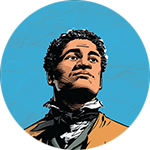
Crispus Attucks
Crispus Attucks was a sailor of African and Indigenous ancestry who was present in the crowd of King Street the night of the massacre. He was the first person killed when the shots were fired, and his death quickly became a symbol of British violence against the colonies. Over time, Attucks was remembered as a martyr for liberty and later as an important figure in the fight against slavery.
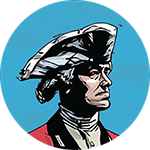
Captain Thomas Preston
Captain Thomas Preston was the British officer in charge of the soldiers involved in the Boston Massacre. After the event, he was arrested and put on trial, where he argued that he never ordered his men to fire. His testimony and trial became central to determining what happened that night and tested whether fairness could apply to all.
Behind the Clues: Primary Sources from the Mission
We used real historical artifacts as inspiration for the modified versions you encountered during your mission. Here, you can explore the original artifacts as they actually appeared, without any added clues.
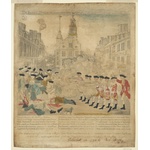
Paul Revere’s Image of the “Bloody Massacre”
This image shows British soldiers firing into a crowd of colonists. While influential, it does not fully reflect the chaotic and confusing nature of the event. Revere’s engraving was meant to elicit strong emotions and encourage resistance among the colonists, reminding us that images can shape how people understand history.
Learn more about this artifact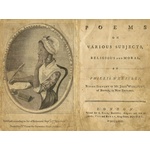
Phillis Wheatley’s Poems
Wheatley’s poetry reflects the moral questions and the impact of the Revolution, offering a perspective shaped by both her personal experience and bigger ideas about freedom. After the Boston Massacre, she wrote a poem called “On the Affray in King Street” where she mourns the deaths of the colonists and reflects on the violence and tragedy of the night. Instead of simply attacking Britain, she focuses on the grief and human cost of political conflict.
Learn more about this artifact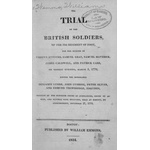
Boston Massacre Trial Records
Court documents from the trials reveal how the evidence, testimony, and legal arguments were used to decide the soldiers’ fate, highlighting the importance of fairness and the rule of law.
Learn more about this artifactFamily Conversation Starters
Q: Is it possible to be fair to someone you strongly disagree with?
Talk with your family: is it possible to be fair to someone you strongly disagree with? After the Boston Massacre, colonists had to choose whether anger or fairness would guide their actions. Can you recall a time when listening to all sides of a story helped you make a better decision?

Questions About Civic Quest?
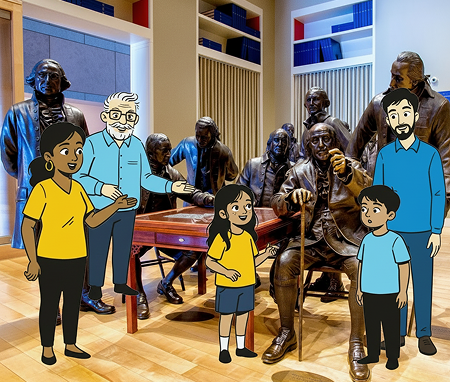
Find answers to frequently asked questions about the Civic Quest game, missions, and learning experience.
Add Your Family's Story
Create Your Time Capsule
Civic Quest is just the beginning. Share your family’s civic story and help shape the future through the Time Capsule Challenge.
More Family Learning Resources
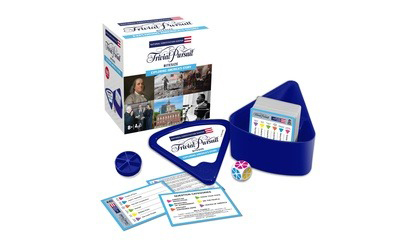
Trivial Pursuit
Created for families to play together, this special edition includes 600 total questions, with 300 written for kids and 300 for adults, making it easy for everyone at the table to participate. Questions span six civic categories: American Revolution, Know Your State, Voices from History, We the People, Branches of Government, and History Happened Here.
Civic Stories
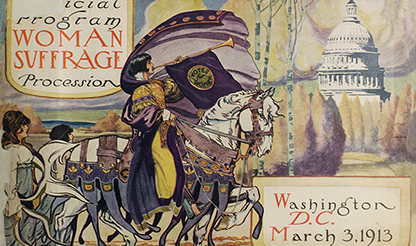
Civic Stories are free, virtual programs that bring history to life for kids through real artifacts and the powerful stories behind them. Led by the National Constitution Center’s Education team, these interactive sessions help young learners connect the Constitution to their own lives, communities, and the world around them.
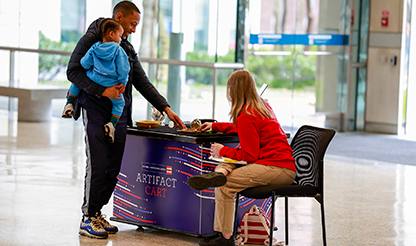
Family Programs at the Center
Experience the museum through special events designed for families including, Sensory-Friendly Days, Family Fun Nights, Scouts Days, civic holiday celebrations, and weekend activities. These shared experiences invite families to explore big civic ideas together, connect across generations, and engage with the history and stories of the Constitution.