


As the nation marks its 250th anniversary, how can we help students explore the relationship between the founding ideals of liberty and the ways those principles have been understood and applied over time? This session invites educators to move beyond a surface-level study of the Founding Era and engage students in a deeper examination of how religious freedom has developed through both constitutional interpretation and the actions of individuals and communities.
Part 1: Sacred Text and Secular Law with the National Constitution Center (NCC)
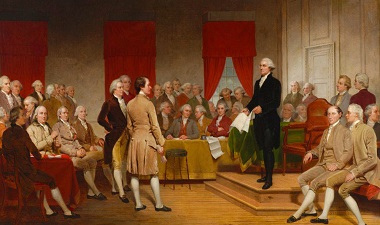
The NCC will guide participants through a close reading and analysis of the Declaration of Independence and the U.S. Constitution to examine how questions of religion appear in the nation’s founding texts. Grounded in the historical context of the 18th century, this segment will explore:
- The Founders’ Perspectives: Analyze how the Founders viewed religious liberty and how those ideas informed the framing of the U.S. Constitution and First Amendment.
- Textual Analysis: Examine specific clauses of the U.S. Constitution and First Amendment to understand how religion is addressed within the framework of the new nation.
- Founding Context: Connect the text to the broader intellectual and historical influences of the 18th century, including the Enlightenment-era debates that shaped the American approach to religion and public life
Part 2: From Toleration to Liberty with the Institute for Curriculum Services (ICS)
ICS explores the "Paradox of the Republic": while the Founders championed constitutional democracy, many 1776 state constitutions effectively barred Jewish citizens and other religious minorities from public office. This primary source-driven segment focuses on:
- Toleration vs. Liberty: Equip students to understand the crucial distinction between being "tolerated" by a government and possessing an inherent "right" to religious liberty.
- Civic Activism in the Early Republic: Trace the story of early Jewish Americans, such as Jonas Phillips, whose 1787 letter to George Washington demanded the removal of religious tests for office.
- The Expandable "We": Learn how the persistent advocacy of minority groups helped bridge the gap between the nation’s ideals and its practices, shaping the diverse landscape of American society today.
Why Join Us
- Primary Source Toolkit: Walk away with ready-to-use documents, including the Phillips letter and state constitutional excerpts, to spark critical thinking.
- Celebrate America 250 in Your Classroom: Gain unique content and perspectives to integrate into your school’s 250th-anniversary commemorations.
- Critical Inquiry: Learn to facilitate nuanced discussions about the "unfinished business" of the American Revolution and how civil and political rights have developed over time.