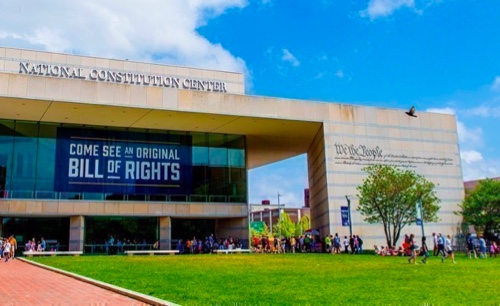

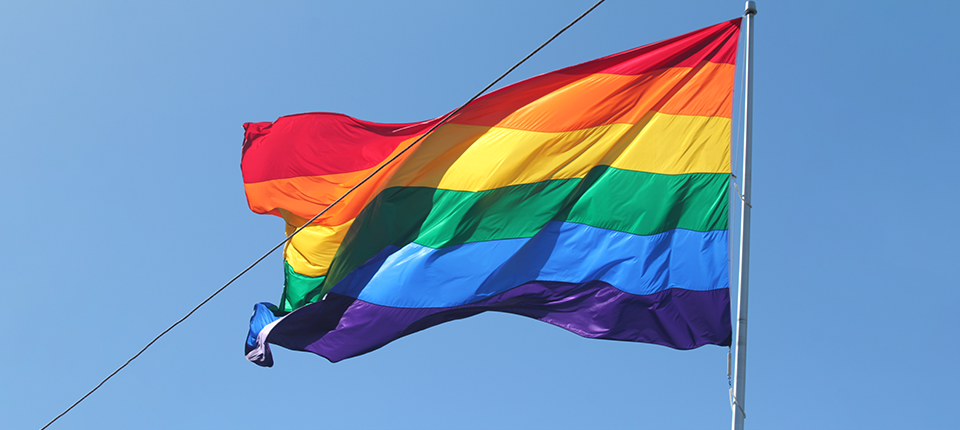
Celebrate Pride Month with the National Constitution Center! Learn how members of the LGBTQ+ community in the United States have fought for inclusion by exercising their First Amendment rights and petitioning the courts throughout history. Meet some notable figures through our programming, come to our make-and-take craft station, and learn how you, too, can fight for change!
America at 250 | Civic Holidays | In Person
Pride Month at the NCC
- Date
- Monday, June 1 - Tuesday, June 30
- Time
- 10:00 am - 5:00 pm

Share
Zine Workshop
Offered Wednesdays and Sundays | Noon, Freedom Classroom
Design and create your own zine booklets in this hands-on, interactive program. Learn about the history of zines, which have roots in the Harlem Renaissance and the LGBTQ+ community, and how the First Amendment protects freedom of speech, assembly, and the press for all citizens. Create a one-of-a-kind booklet and share it with others to celebrate and express your own ideas!
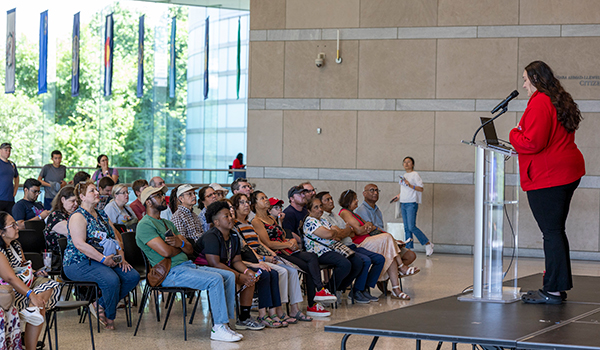
Pride & Protests Show
Offered daily | 1:45 p.m., Kenneth C. Griffin Great Hall Overlook
Learn how members of the LGBTQ+ community in the United States have fought for inclusion by exercising their First Amendment rights to speech and assembly. As activist Harvey Milk once said, “Rights are won only by those who make their voices heard.”
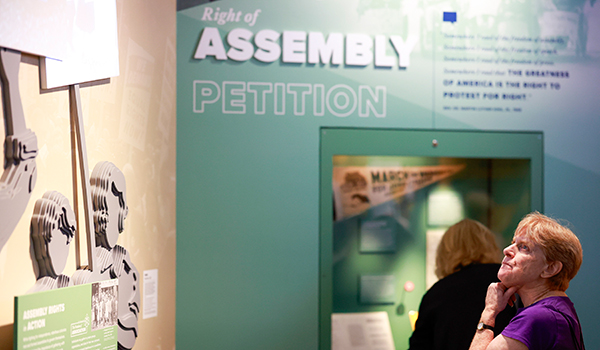
Artifact Spotlight: Fourth Annual Reminder Day Pamphlet
Offered daily | 11:45 a.m. and 2:45 p.m., The First Amendment gallery
On July 4, 1965, 40 members of the LGBTQ+ community — 33 men and seven women — used their right to assemble to call for freedom and equality by marching outside Independence Hall. These efforts became known as the Annual Reminder Day demonstrations, a tradition that continued over the next four summers on Independence Day.
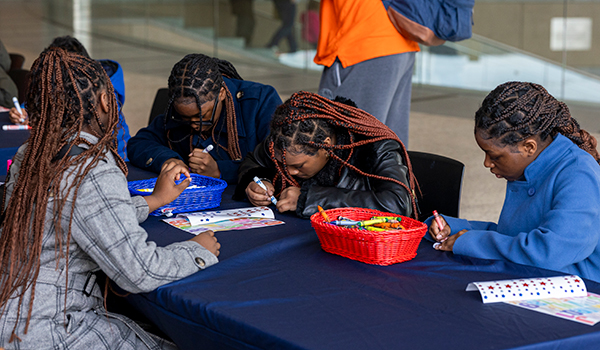
Freedom of Speech Crafts
Offered weekends | 10 a.m.–3 p.m., Kenneth C. Griffin Great Hall Overlook
How do you show your support for a cause? Visitors can explore examples of symbolic speech at our make-and-take craft tables and create their own buttons and zines — small self-published pamphlets — to show support for a cause and learn how the LGBTQ+ community used symbolic speech to secure its rights.