
On Election Day, the Supreme Court will consider the latest significant case involving the balance between religious freedom and anti-discrimination laws.
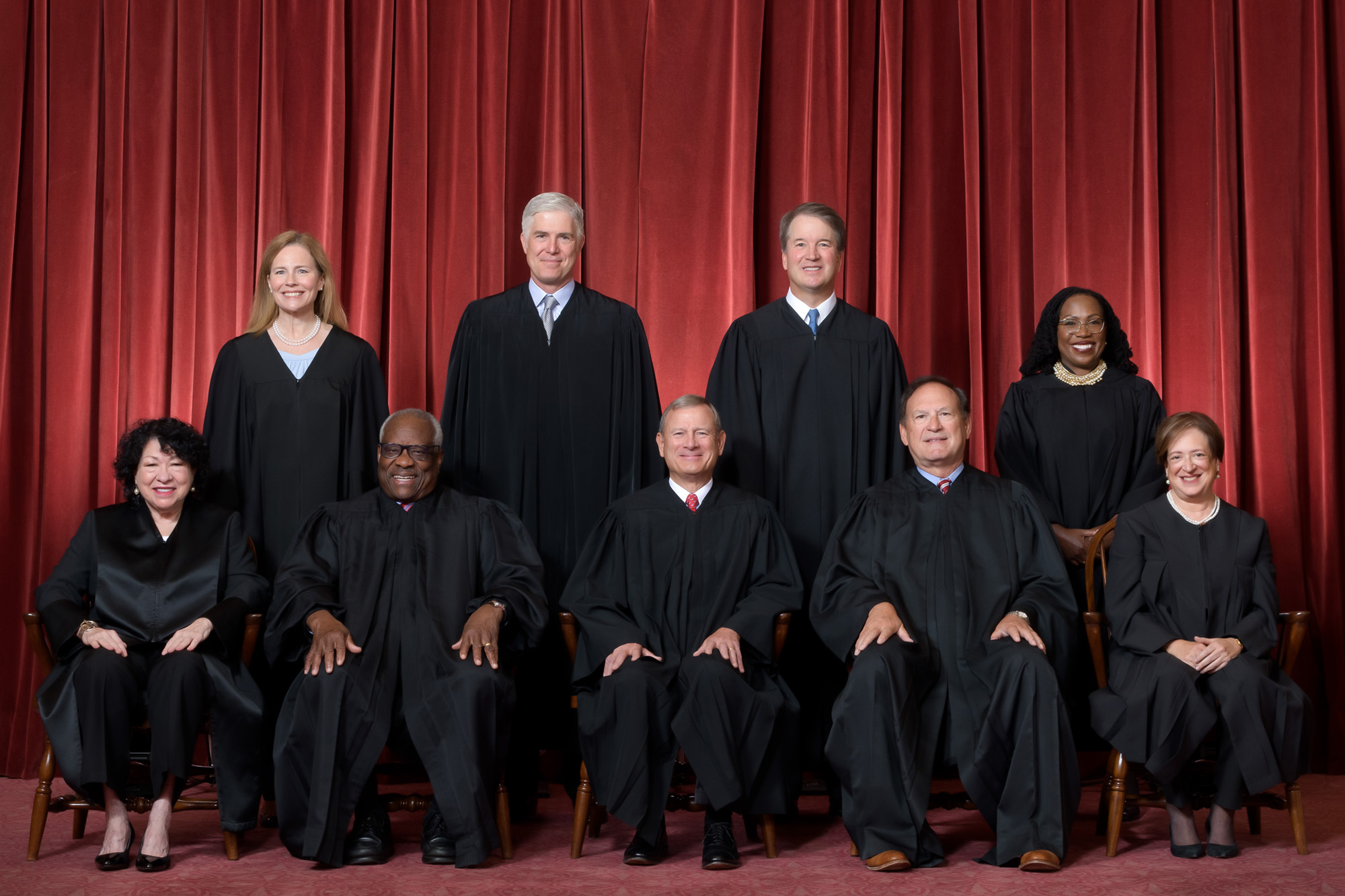 In a string of decisions in recent years, the Supreme Court has ruled in favor of religion-based discrimination claims. In 2022, the Court's conservative majority ruled that Maine couldn’t exclude religious schools from a high-school tuition program. Last year, the Court held that Maryland parents with religious objections had the right to pull their children out of elementary school classes using storybooks with LGBTQ characters.
Colorado has been on the losing side of a number of these cases beginning with a challenge from a baker who didn't want to make cakes for same-sex couples, despite the state's nondiscrimination law.
A new challenge could well extend the state’s losing streak. In St. Mary Catholic Parish v. Roy, 25-581, Catholic preschools say they are being unconstitutionally excluded from Colorado’s program offering universal preschool for four-year-olds. The schools want to be able to turn away children because of their parents’ sexual orientation or gender identity, despite the program’s “equal opportunity” requirement.
Colorado voters approved universal pre-school for four-year-olds, known as UPK, in 2020. The program is open to all schools, public and private, including religious institutions. Among the standards for participation is a requirement that, to receive public funding, preschools “provide eligible children an equal opportunity to enroll and receive preschool services regardless of race, ethnicity, religious affiliation, sexual orientation, gender identity, lack of housing, income level, or disability.”
In prior cases, the Court has held that states don’t have to include private schools in their programs. But once they do, religious institutions can't be excluded because doing so violates the First Amendment.
Two Catholic preschools, the Denver Archdiocese and parents have challenged the non-discrimination provision. Their lawyers told the Court in their main written brief that “it is undisputed that Colorado knowingly excluded Catholic preschools solely on account of their religious exercise. The resulting burden on Petitioners’ religious exercise is unsurprising.”
One Catholic preschool has closed, and parents have been denied more than $12,000 in tuition assistance “simply for choosing a Catholic education,” the lawyers claimed. “Colorado’s interference with Petitioners’ free exercise of religion ought to have been obvious.”
But a federal district court and the Tenth U.S. Circuit Court of Appeals rejected the challenge. Colorado’s program “went to great effort to be welcoming and inclusive of faith-based preschools’ participation. The nondiscrimination requirement exists in harmony with the First Amendment and does not violate the Parish Preschools’ First Amendment rights,” Judge Richard Federico wrote for a unanimous Tenth Circuit panel that affirmed the district court’s ruling.
The Tenth Circuit said the program complied with the Supreme Court’s 1990 decision in Employment Division v. Smith, rejecting a First Amendment challenge and upholding a law that is facially neutral and generally applied.
The Supreme Court agreed in April to hear the case.
The Trump administration and 21 Republican-led states have lined up behind the Catholic challengers, while 18 Democratic-led states are siding with Colorado.
Colorado argues that the lower court rulings should be upheld. It stated the program “stands apart” from recent high court decisions because it welcomes participation by religious institutions and it does not seek to censor their teachings. “No surprise then that many religious preschools, including Catholic preschools, participate,” Colorado Attorney General Phil Weiser wrote.
Last school year, more than 40,000 children were enrolled in UPK at more than 2,000 schools, according to the Colorado Department of Early Childhood. Forty faith-based schools with more than 900 students took part in the program in the 2023-24 school year, according to court documents.
Colorado disputes the challengers’ assertion that they’ve been excluded from the program. “Petitioners remain welcome to participate in UPK, subject to the same equal-opportunity requirements that apply to all other publicly funded preschools—public and private, secular and religious,” Weiser wrote.
The opposing briefs tangle over the reach of the Court’s 2022 decision in the Maine case.
The challengers contend the Catholic schools are being denied state money precisely because they are exercising their religious beliefs about sexual orientation and gender identity, which they believe is a clear constitutional violation.
They also argue that the Colorado program should be subject to the most searching level of review by courts, strict scrutiny. Laws reviewed under strict scrutiny rarely survive.
The state says there is no discrimination based on religion; religious groups may and do participate in the program; and lower courts properly applied a lower form of review, rational basis, to uphold the program.
A decision is expected by early summer.
Mark Sherman is a regular contributor to Constitution Daily. Sherman covered the Supreme Court for the Associated Press for 20 years, and he has previously written about the Justice Department, health care, and national politics.
Editor’s Note: Blog posts written by contributors reflect the analysis and opinions of the authors, and do not represent the opinions or positions of the National Constitution Center.